Pokémon Cards Kept Since the 1990s Turn Up at Ewbank’s Auction
- Project
- LEGO & Building Sets
- Drawn by
- Brenda Kelley Kim
- Issued
- Sheet
- A-215
A retired decorator’s carefully stored Pokémon cards drew attention after a similar childhood collection sold for £32,800.
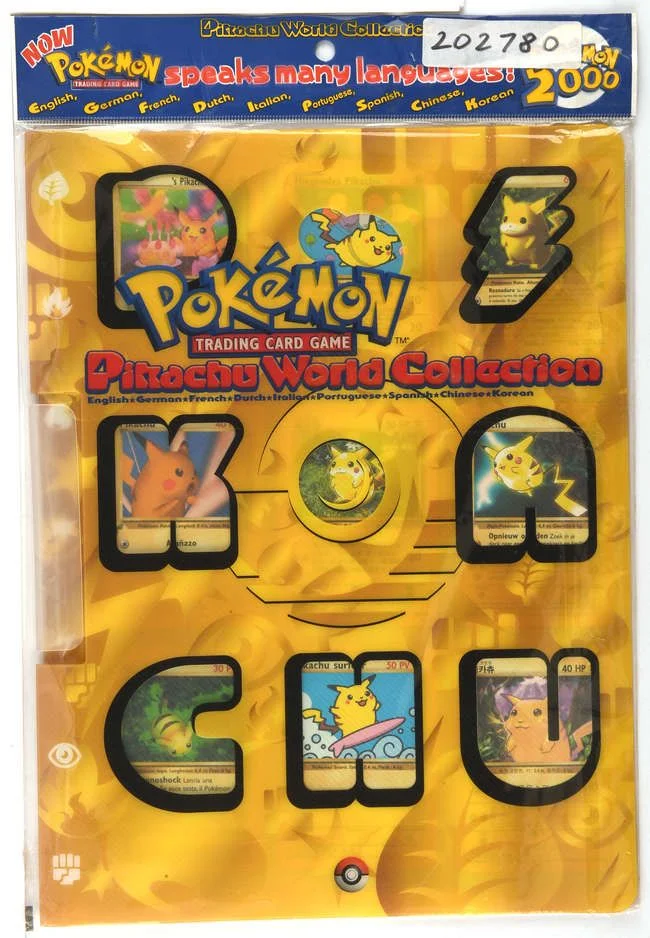
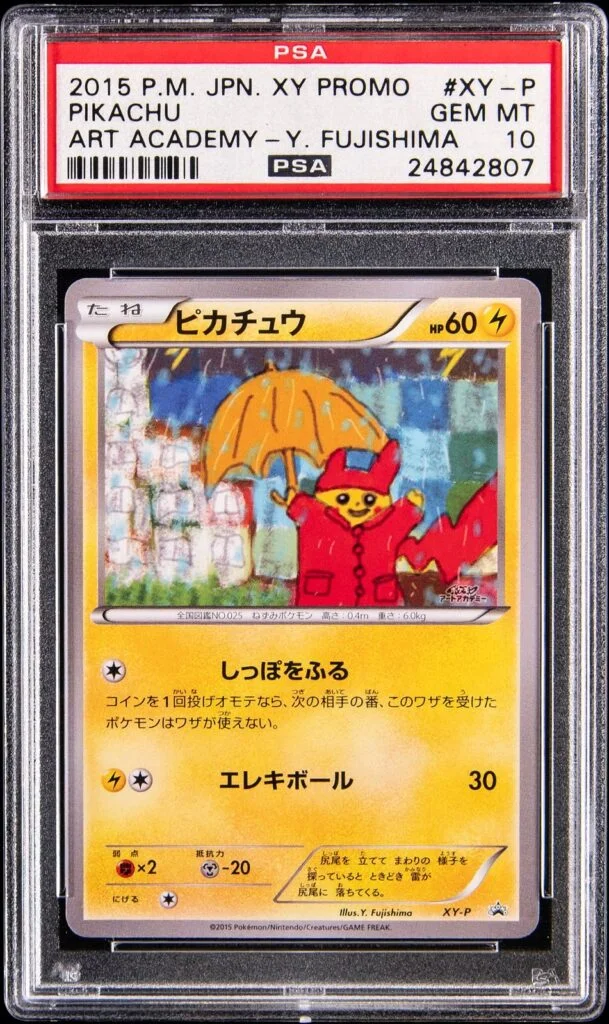
The condition and completeness of a Pokémon card collection can matter as much as the cards themselves. That’s the detail behind a retired decorator’s attic discovery: he had kept cards from the 1990s in custom notebooks, and recognized some that had recently appeared in a high-profile sale. He later consigned his cards to Ewbank’s auction house. The source does not give the decorator’s sale result, so the comparison offers context rather than a price for his collection.
A familiar group of cards sparks a second look
The decorator, who has not been identified, began buying and preserving Pokémon cards when his son was interested in the hobby during the 1990s. Years later, while sorting through attic belongings, he came across the cards and connected them with a news story about teacher Andrew Braund. In April 2026, Braund sold three cards from his childhood collection for £32,800, reported as about $43,870.
That result gave the decorator a reason to investigate what he had stored away. He recognized some of the same cards and chose to offer his collection through Ewbank’s. The reported distinction between the two collections is how they had been kept: the decorator placed his cards in custom notebooks, while his son’s cards were not preserved or organized that way.
Storage alone doesn’t establish a card’s grade or sale value. It does, however, help explain why two collections assembled in the same household might arrive at auction in different condition. Surface wear, bent corners, creases and other handling marks can affect how a card presents. The account doesn’t provide grades or condition reports for the decorator’s cards, so those details would be needed to assess the collection more closely.
What the Ewbank’s comparison can tell collectors
A separate Pokémon lot provides a documented Ewbank’s result. A complete set sold there in July 2026 for £715, or approximately $968. The accompanying caption notes that sealed, complete sets often bring the highest prices. That sale is useful as a specific example, but it isn’t a direct comparison with either the decorator’s cards or Braund’s three-card lot: the items, completeness and condition may differ.

For collectors reviewing older Pokémon cards, the practical takeaway is to record what’s present before sorting or moving anything. Keep cards in their existing protective pages when possible, note visible damage, and identify sets or card names from reliable references. A collection that has spent years in storage may include items in varied condition, even if it was handled carefully overall.
Completeness also deserves close attention. A complete set, a sealed set and a group of notable individual cards are different kinds of lots, and auction results for one shouldn’t be applied automatically to another. The Ewbank’s examples show that preserved material can attract interest, while the exact outcome depends on what is offered and how it is presented. No grade or population information is given for the attic collection.
Keep records with the collection
Ewbank’s owner and founder, Andrew Ewbank, offered a simple piece of collecting advice in an interview: “If you buy something for your son, as happened in this case, and they don’t want it, well, maybe pop it away because you never know what value it might have in the future.” The decorator’s story gives that advice a concrete twist: putting cards aside also meant keeping them in notebooks that helped protect and organize them.
Collectors with large holdings can lose track of individual purchases or forget which items are stored where. A basic inventory can help: record card names and set details, note the storage location, and photograph the cards and their packaging. Keep sale documentation with the relevant items so that a later review can distinguish a confirmed transaction from an asking price or an unrelated auction result.
WorthPoint Vault is presented as a digital option for organizing collection records, documenting sales and provenance, and tracking values. WorthPoint also offers a Price Guide for researching antiques and collectibles. The article promotes a seven-day WorthPoint trial, followed by the selected plan rate unless canceled before the trial ends.
The decorator’s cards show why an attic find is a reason to take inventory, not a guarantee of a particular auction result. Compare the actual cards, condition and completeness with documented sales, and keep the records together. That gives the next owner—or the auction house—a clearer account of what the collection contains.
Brenda Kelley Kim lives in the Boston area. She is the author of Sink or Swim: Tales From the Deep End of Everywhere and writes a weekly syndicated column for The Marblehead Weekly News/Essex Media Group. When not writing or walking her snorty pug, Penny, she enjoys yard sales, flea markets, and badminton.
WorthPoint—Discover. Value. Preserve.
The post Long-Forgotten Pokémon Cards Found in an Attic Sell for Big Money at Ewbank’s appeared first on WorthPoint.
| Rev | Description | Date |
|---|---|---|
| A | Issued for reading | |
| B | Viewed 688 times | Current |