Barbados SG45 4d Stamp Found with a Sideways Large Star Watermark
- Project
- Stamps & Postal History
- Drawn by
- Jonathan
- Issued
- Sheet
- A-185
A Barbados SG45 4d dull vermillion has surfaced with a sideways watermark, prompting collectors to recheck the 1870 Large Star values.

A sideways watermark on a Barbados SG45 4d dull vermillion has expanded the known range of watermark varieties in the 1870 Large Star series. The stamp was found by U.K. dealer David Wild in an album of Barbados material, and its orientation raises a practical question for collectors: could the same feature turn up on other values from the issue?
A second value joins the known list
The 1870 Large Star watermark series comprises five values: ½d green, 1d blue, 4d dull vermillion, 6d orange vermillion and 1/- black. Before this discovery, the catalogue listed a sideways watermark only for the 1d blue. The SG45 4d dull vermillion now provides evidence of the feature on another denomination.
That distinction matters because a watermark variety can be easy to miss when examining a stamp from the front. Its direction is visible on the reverse, where the star’s largest arm provides the key orientation clue. On a normally aligned example, that arm points upward; on Wild’s stamp, it runs sideways.
The five values were printed by the same printer during a one-year period. That shared production context makes it reasonable to check whether the watermark orientation also occurs on the remaining values. It doesn’t establish that further examples exist, but it gives collectors a specific question to pursue across the series.
What to inspect on SG45
The front image identifies the example as Barbados SG45, 4d dull vermillion. The accompanying reverse views show the watermark and its sideways position. Together, they make the feature easier to understand: the important evidence is the star’s orientation on the back, not an unusual design detail on the stamp’s face.
Collectors reviewing their own holdings can begin with the 4d value and examine the reverse for the large star watermark. Compare the direction of its longest arm with the expected upright position. A stamp that appears ordinary from the front may still reward a careful check of its watermark, so a consistent inspection method is more useful than relying on memory or a quick glance.
The source also points to May 1872 dates as a place to start when checking for another example of the 4d variety. That is a useful lead for sorting and reviewing material, though the date alone does not confirm a sideways watermark. Each candidate still needs to be examined on its own.
A focused search across the five values
The discovery invites a broader review of all five denominations: ½d green, 1d blue, 4d dull vermillion, 6d orange vermillion and 1/- black. The 1d already has a catalogue listing for the sideways orientation, while SG45 adds the 4d to the discussion. The 6d, 1/- and ½d remain the natural next values to inspect if collectors want to establish how widely the feature appears.
For a useful comparison, record the value and colour, catalogue number where available, date markings, and the direction of the star’s largest arm. Clear images of the front and reverse can help document what was seen and make later comparison easier. These observations should remain descriptions of the individual stamp; the discovery does not by itself establish how many examples exist or how the variety is catalogued beyond the information given here.
Watermark checks reward patience because the decisive detail may be subtle and confined to the reverse. Wild’s album find is a reminder that familiar material can still produce a new observation when collectors know which feature to look for. The next useful step is a careful review of May 1872 dates and the other Large Star values, with the watermark’s orientation checked directly on each stamp.
Barbados Britannia watermark identification reference

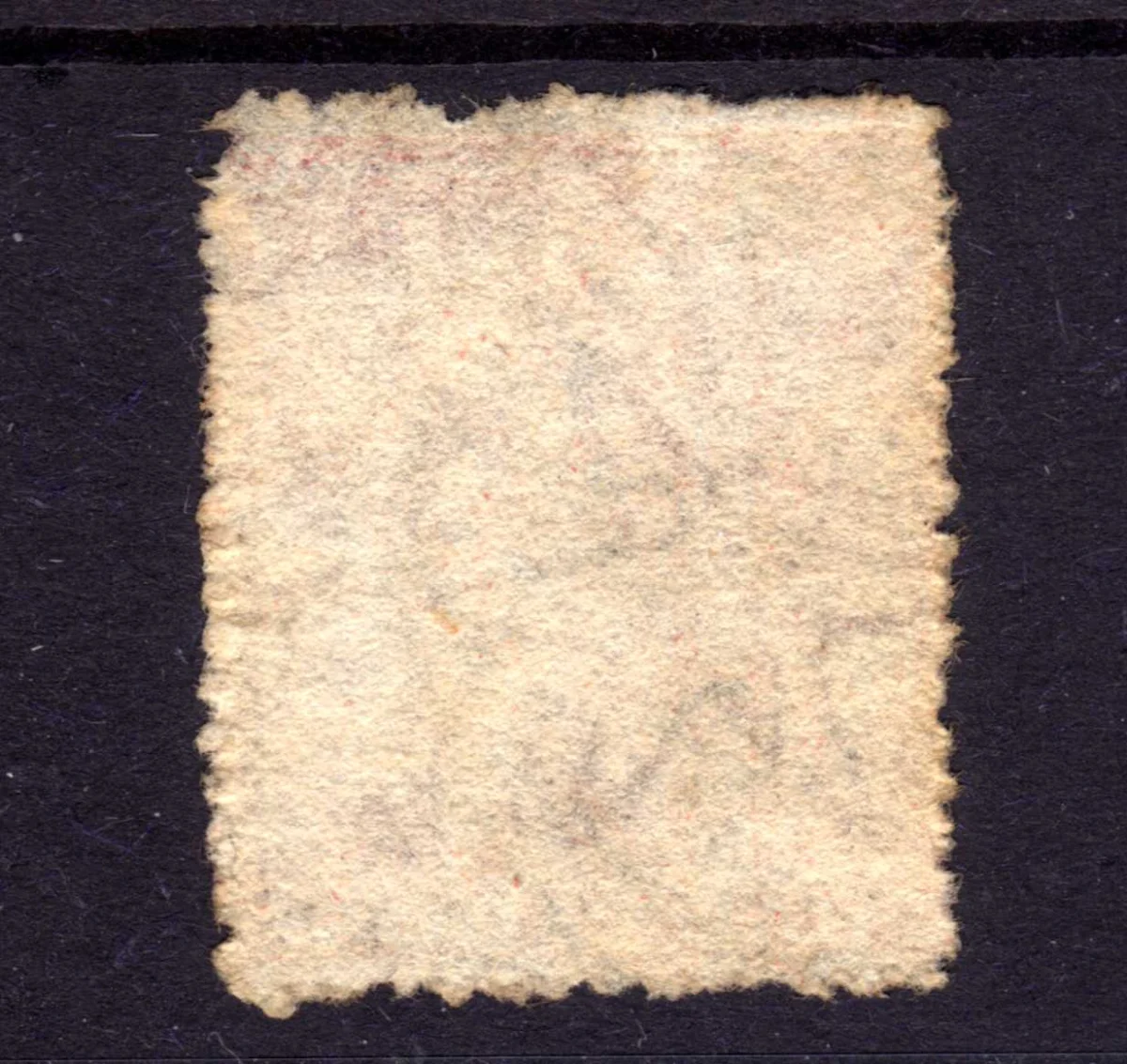
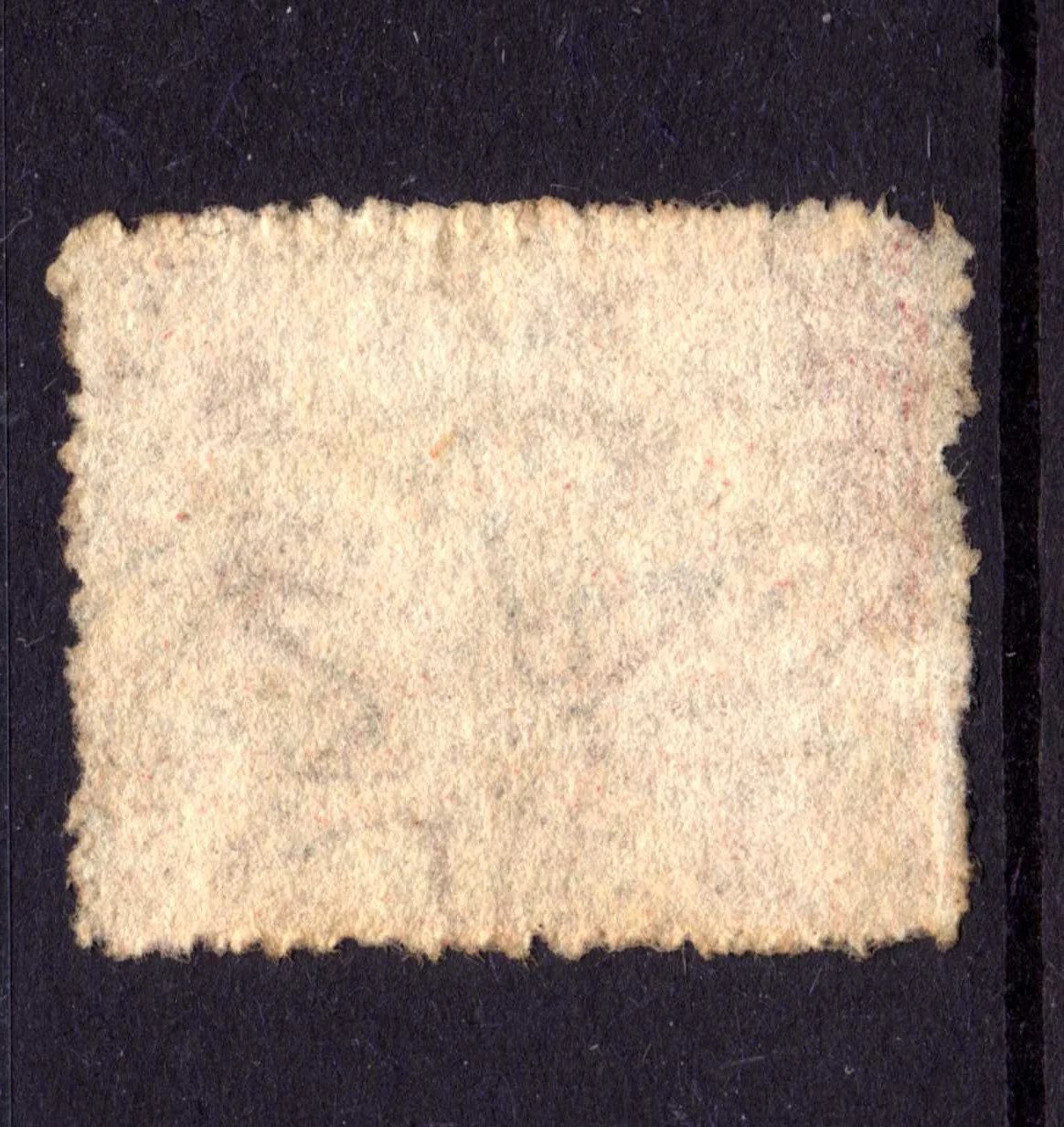
The reported find adds a concrete point of comparison for anyone studying the 1870 Large Star issue. A check of the reverse, especially the star’s longest arm, is the key; further examples would need the same close inspection before their status could be established.
| Rev | Description | Date |
|---|---|---|
| A | Issued for reading | |
| B | Viewed 615 times | Current |