Strongsville Doll Show Finds: Early Käthe Kruse, German Dolls and a $10 Chenille Treasure
- Project
- Toys & Action Figures
- Drawn by
- [email protected] (Tam)
- Issued
- Sheet
- A-64
A Strongsville doll show brought together antique and character dolls, including early Käthe Kruse examples, a rare find and a lucky $15 door prize.

A return to the doll-show circuit brought a memorable mix of antique faces, character favorites and oversized dolls to Strongsville. The standout story wasn’t a headline price or a pristine box: it was the chance to revisit a small chenille doll that had lingered in the collector’s mind since a previous show. A $10 purchase finally brought her home, while an unexpected $15 door prize made the day even sweeter.
The visit also had a personal milestone behind it. The collector had gone to fewer shows since Ken’s strokes, but he was feeling well and wanted a day out. They packed breakfast, lunch and his medicines before setting off. Along the way, the displays offered plenty to examine, from a Polish doll tied to Ken’s childhood memories to German-made dolls, a boxed Toni and an impressive spread of large figures.
Childhood memories and early German dolls
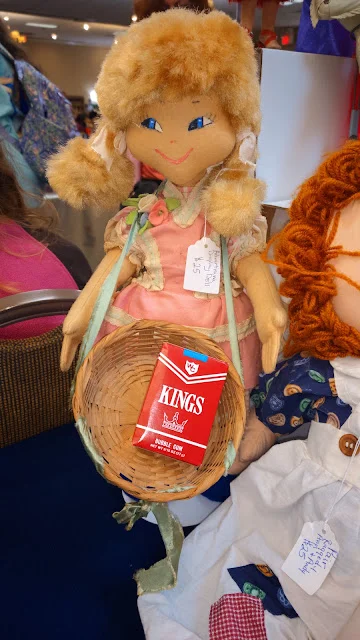
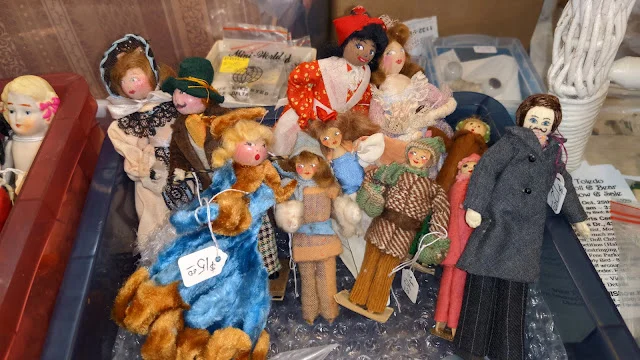
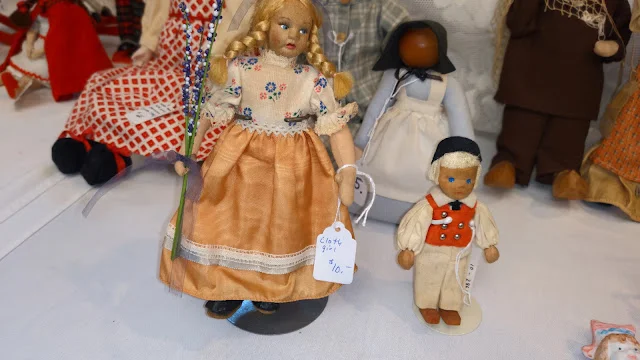
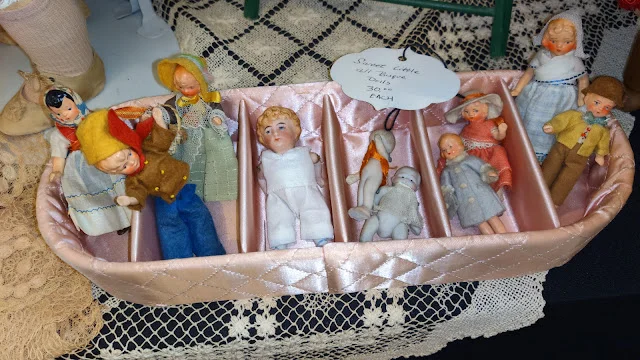
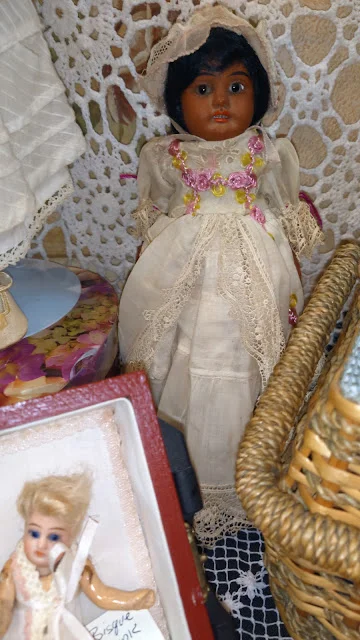
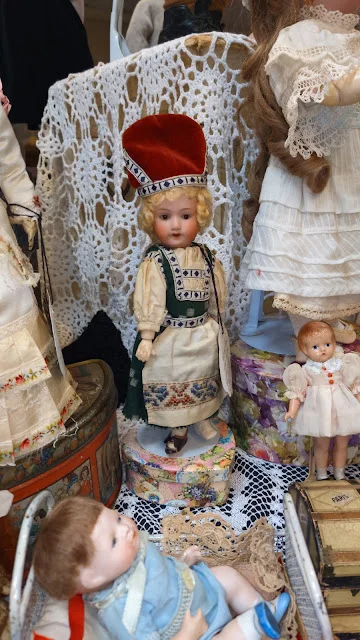
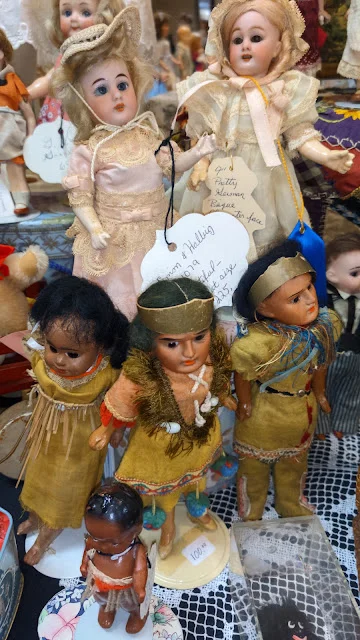
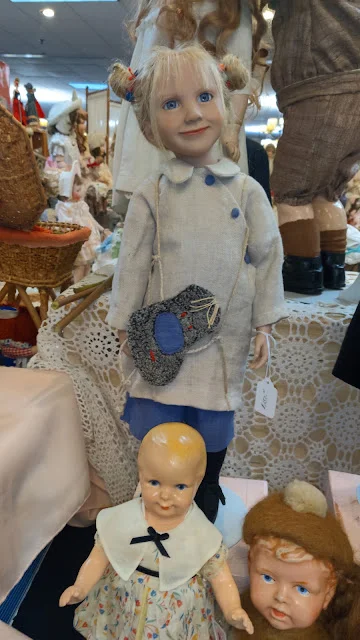
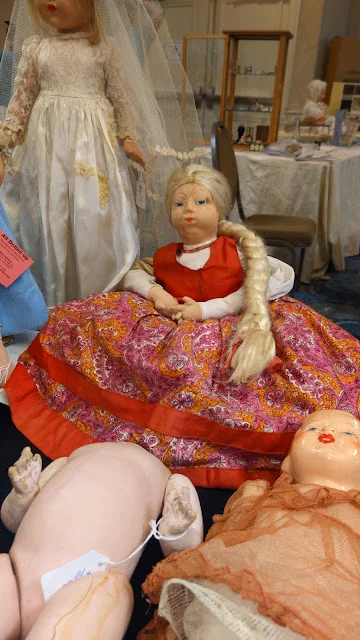
A small Polish doll immediately connected the show to family history. Ken called dolls of this type “woodentops,” remembering that his sister had several as children. The couple still has one of his sister’s dolls: after its hair fell out, their mother replaced it with some of Ken’s, leaving the doll with tiny strands of his blonde hair. Ken asked for a photograph of the show doll to share with his sister.

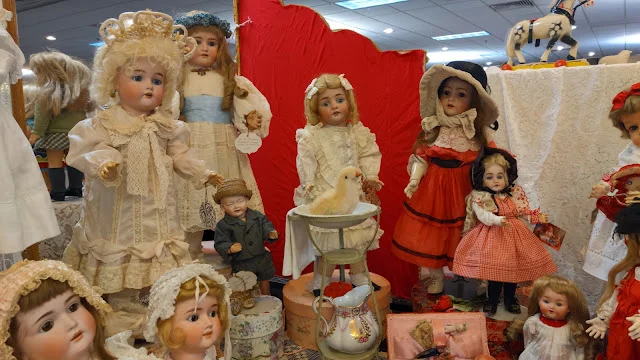
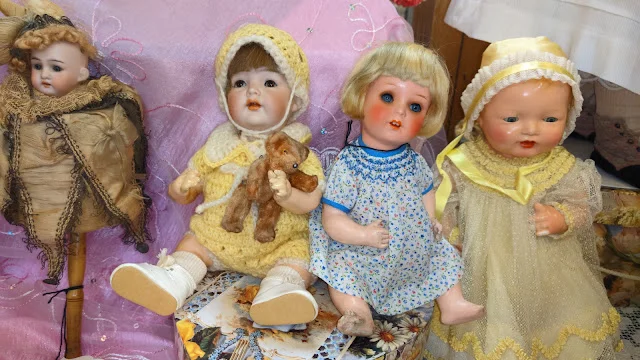
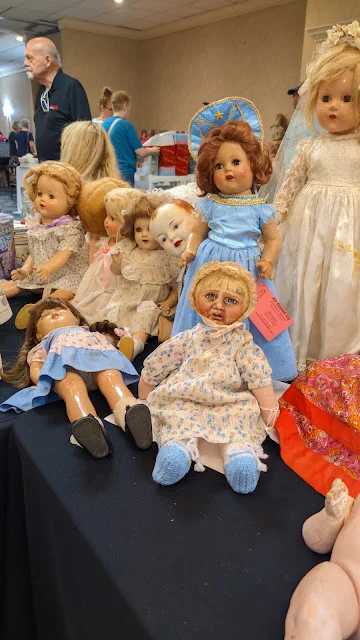
Another dealer had a Toni doll in her original box and three Käthe Kruse dolls. The dealer dated one of the Kruse dolls to around 1910, describing her as one of the very first examples. The middle doll was from the 1920s, while the one at right dated to the 1950s. An apron on one of them looked remarkably well preserved. The dealer also pointed out a girl she considered quite rare; another doll nearby struck the collector as rather unsettling.


Faces, materials and details that catch the eye
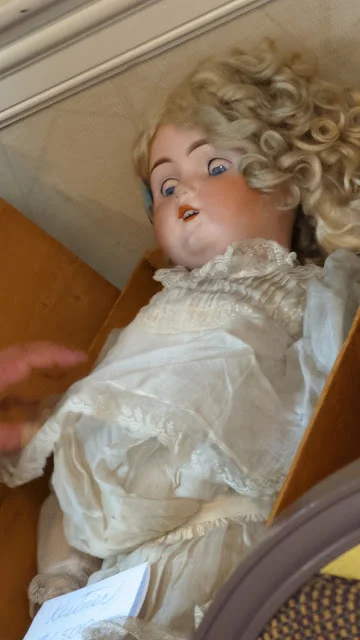
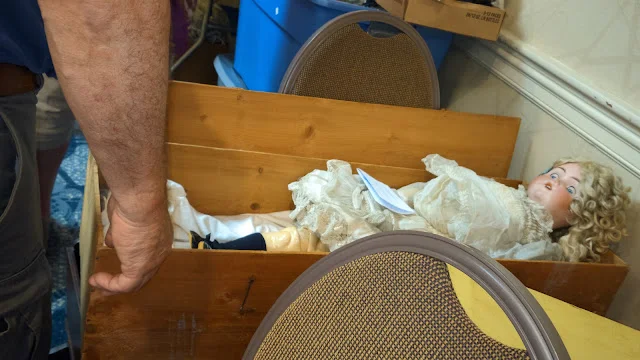
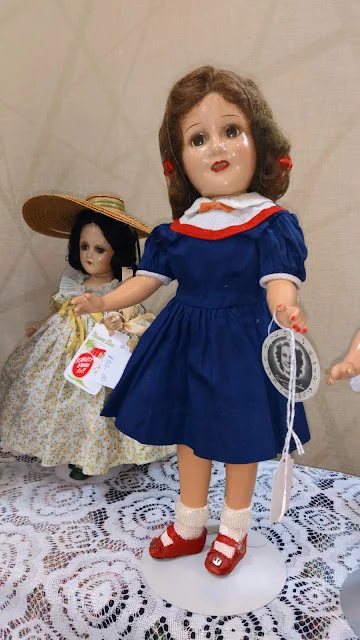
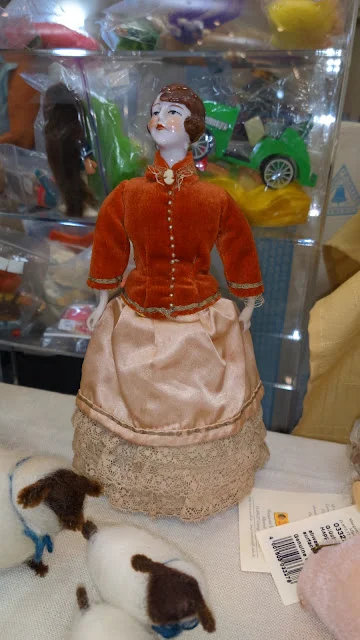
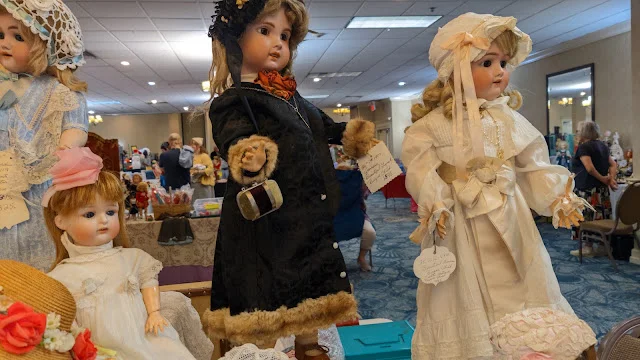
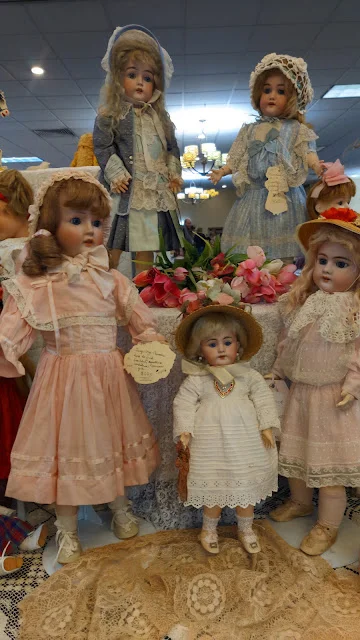
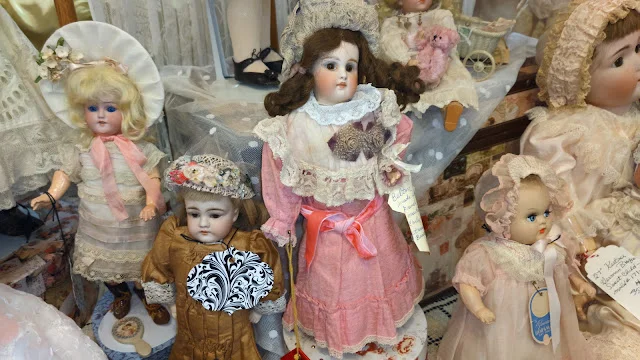
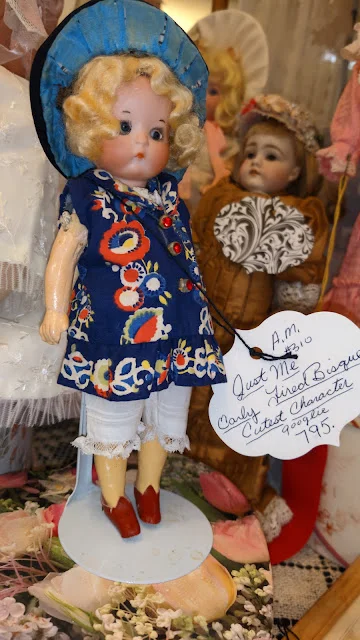
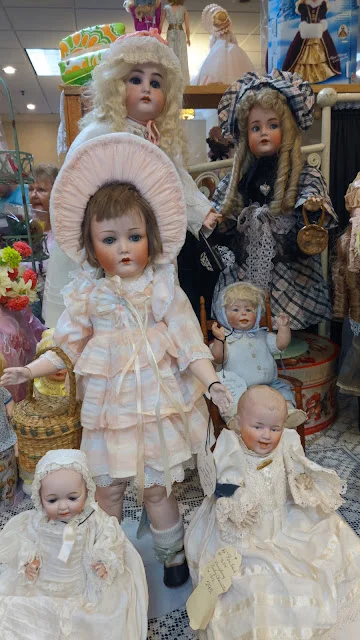
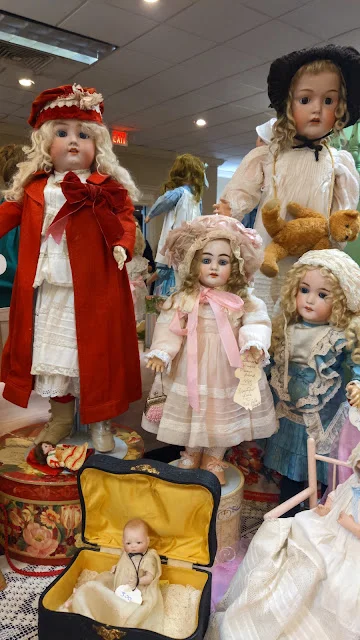
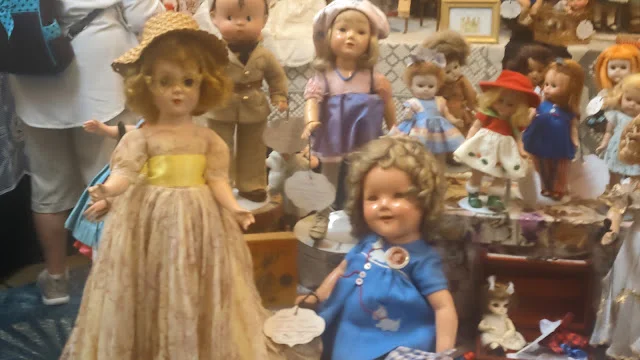
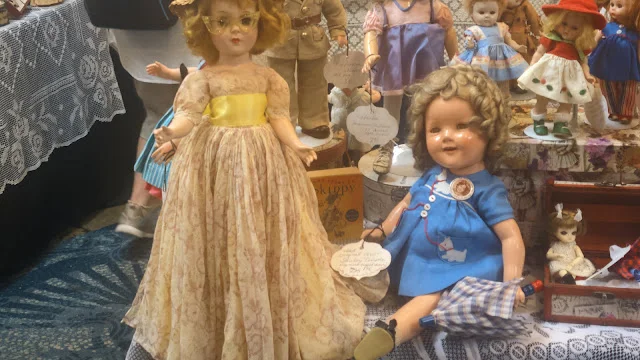
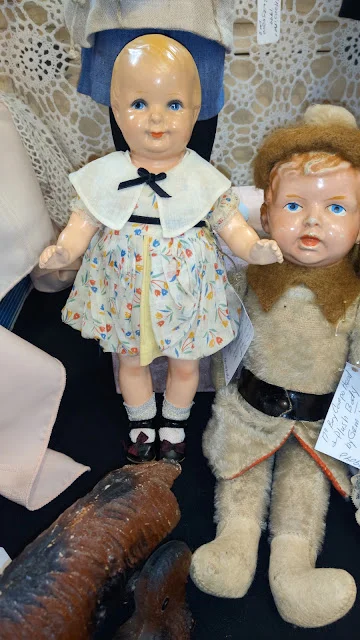
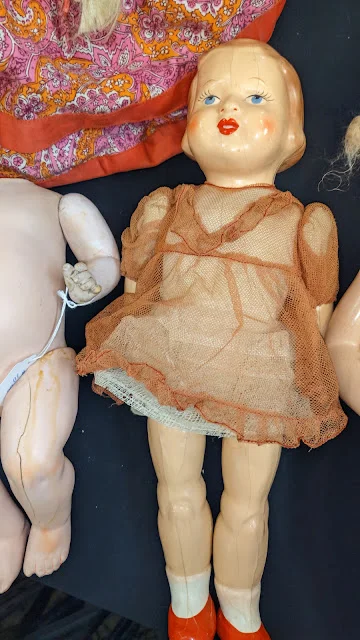
Several dolls stood out for the details that survive—or reveal changes made over time. A doll from the 1930s retained her original tag, with especially vivid colors. A large sleeping beauty brought in by her owner had wooden jointed limbs and, according to the owner, was all original. She was displayed in a wooden box with a coffin-like appearance; whether it was made to protect her or served as her shipping crate was unknown. Another doll’s intense gaze came entirely from painted eyes.
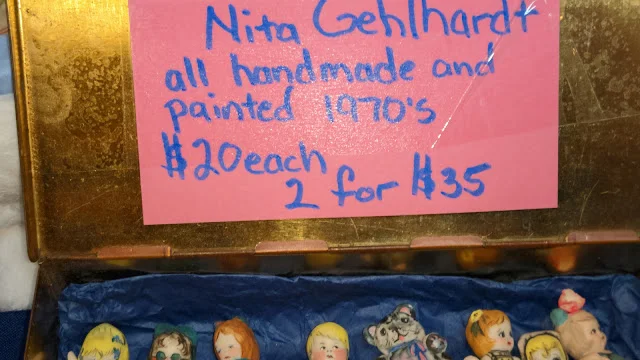
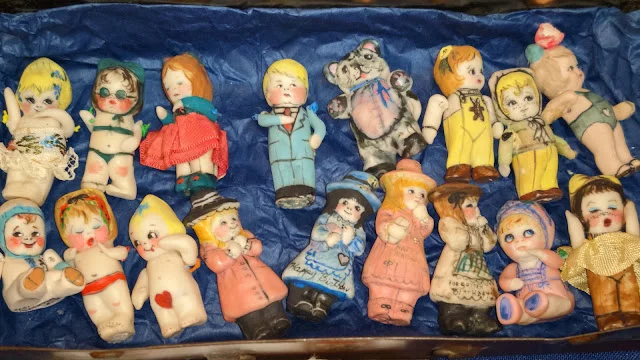
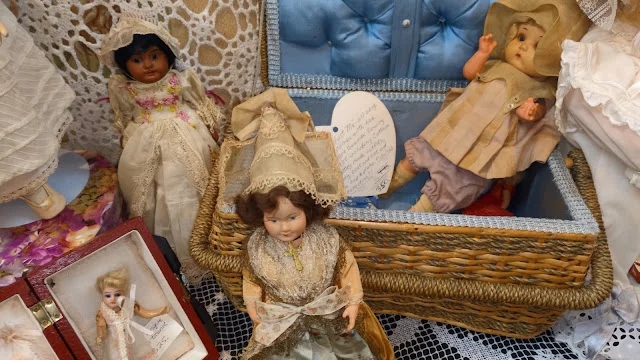
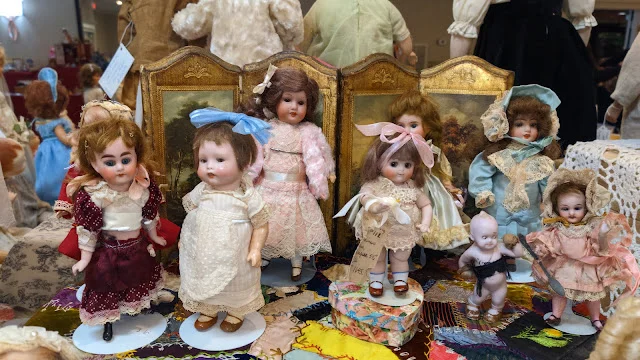
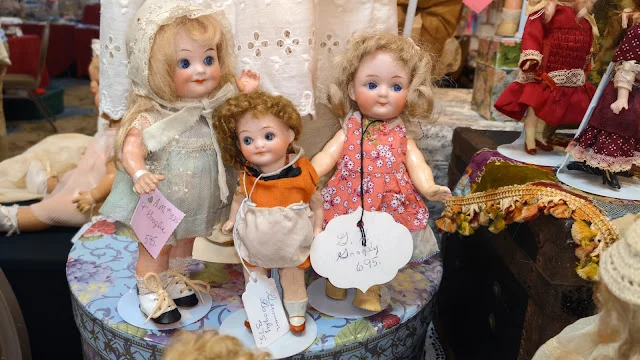
Other tables offered a broad range of materials and personalities: two German wooden dolls, a newspaper boy with a distinctive face and appealing hair, and small bisque figures by Nita Gehlhardt, a German artist new to the collector. One display included a doll representing Eleanor Roosevelt. A cigarette-holding advertising doll raised a useful identification question: the dealer didn’t know what she had originally held. Nearby, one doll appeared to have a papier-mâché face.


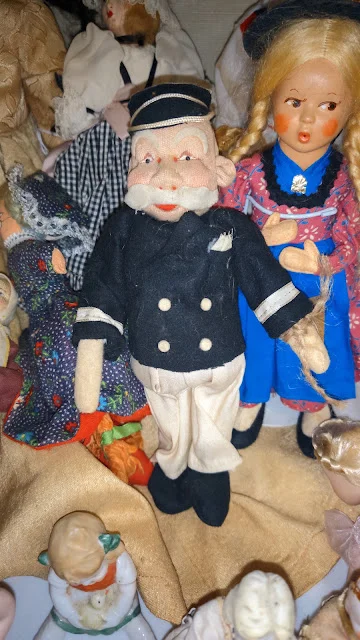
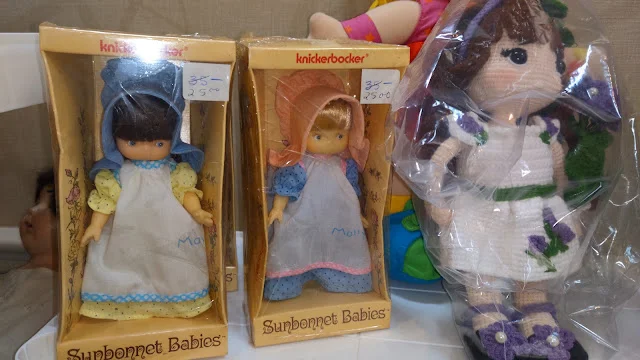
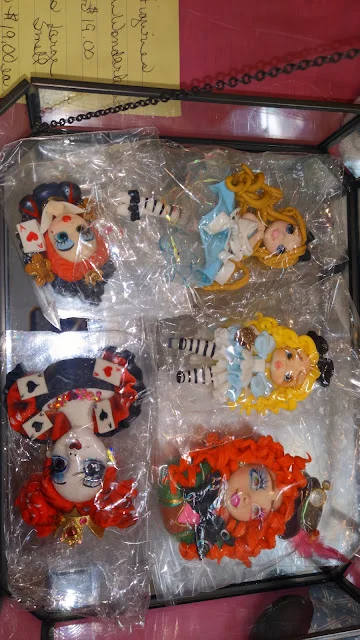
Character dolls added their own small surprises. A sea captain had a cloth face and an unusual felt mustache, paired with a Baitz whistler. A link to an earlier post about the whistler is here. A Sunbonnet Babies doll prompted a reminder that Knickerbocker made the group in 1975. There were also polymer-clay Alice figures, a knitted doll, and a doll whose finely painted eyes proved difficult to capture in a photograph.
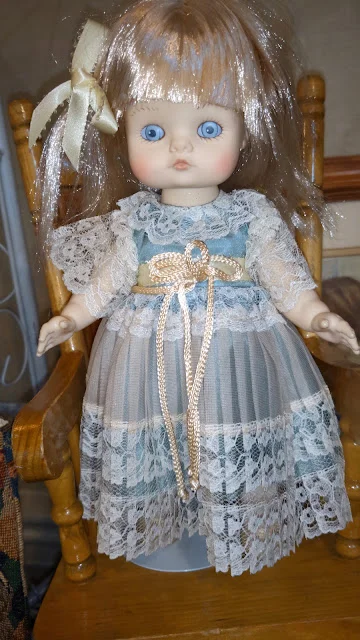
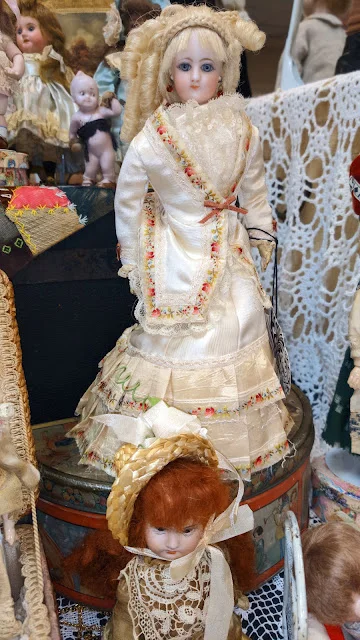
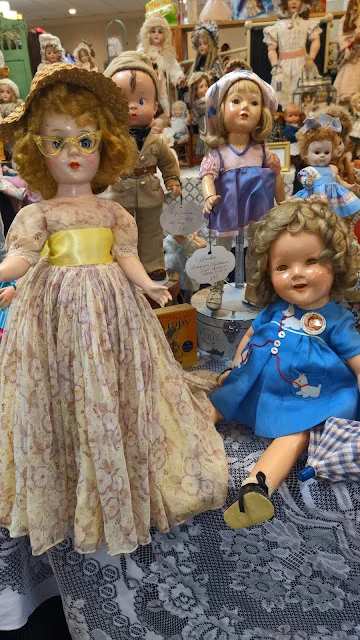
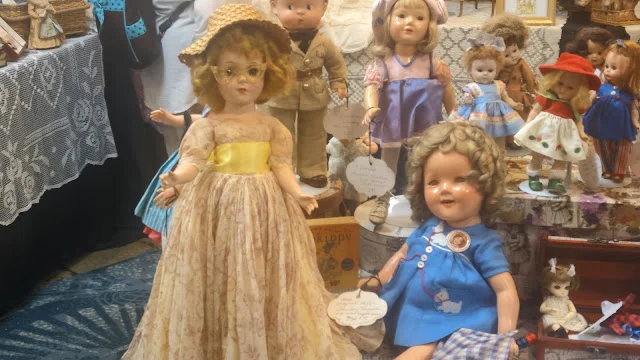
The collector gravitated toward a doll with multiple wigs, a longstanding interest since Fashion Queen Barbie. A girl whose identity was unknown looked especially charming. Deanna Durbin dolls brought a longer Hollywood memory into the room: Durbin was a popular child actor and singer in the 1930s, continued performing as an adult, then retired in 1949 and moved to France with her husband. She appeared with Judy Garland in the 1936 film “Every Sunday,” which MGM used to compare the young performers before keeping Garland under contract. Durbin went on to sign with Universal. One older attendee recognized her immediately and enthusiastically admired two Deanna Durbin dolls, though only one made it into the photographs.


The missed dolls, the return visit and the lucky ticket
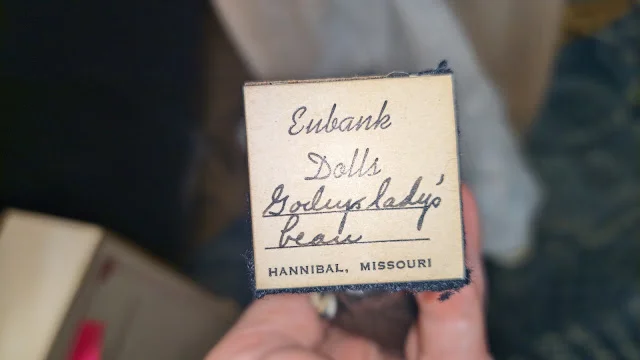
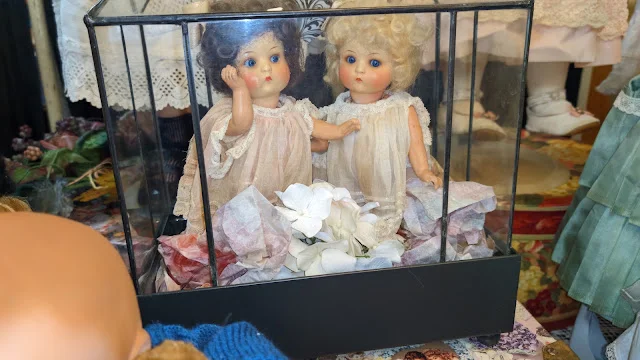
The most satisfying find was a small chenille lady by Eubank. The collector had seen a group of these dolls at another show the previous April, but left without buying one after spending enough for the day. The chenille figure stayed on her mind. At Strongsville, she recognized the same dealer’s display and found the lady again, accompanied by two winter-themed dolls. She was less taken with those companions this time and let them go. Tiny porcelain dolls in crocheted clothes that she had also admired were already sold. The chenille lady, however, came home for $10. Her paper stand named the maker and doll, though hers was the exception: it had no stand.
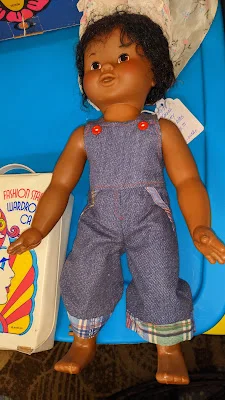
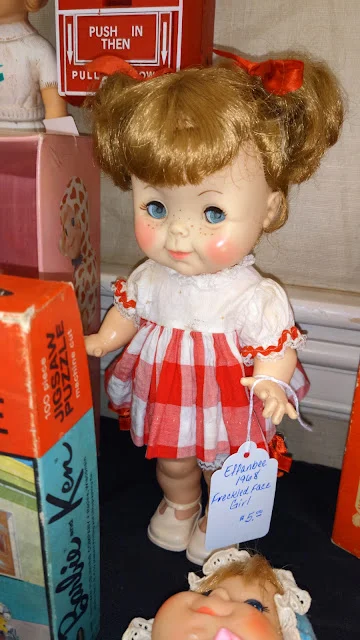
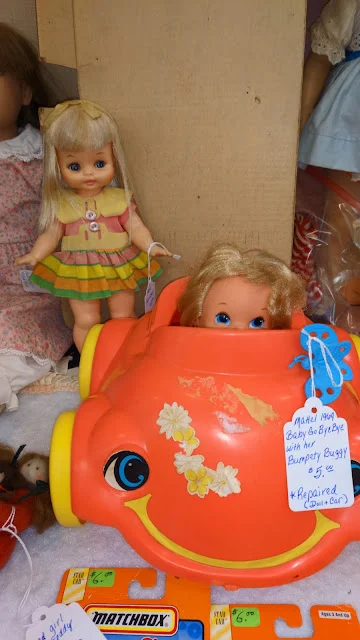
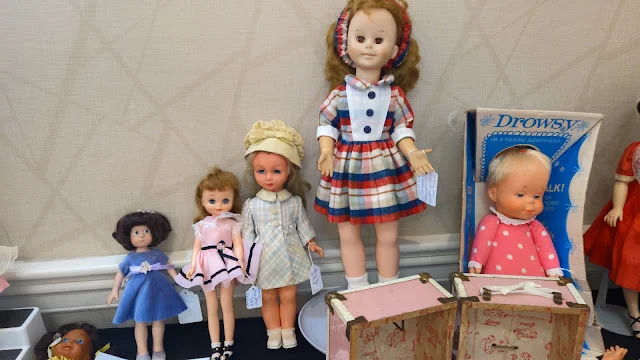
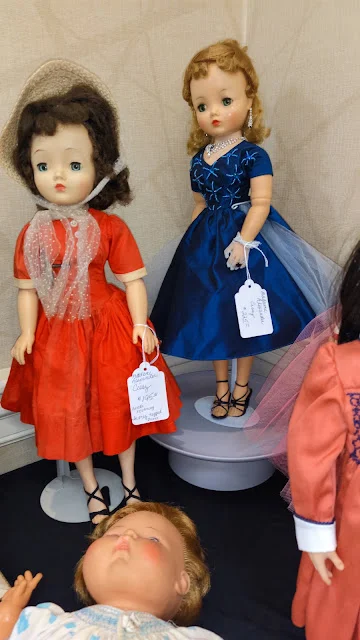
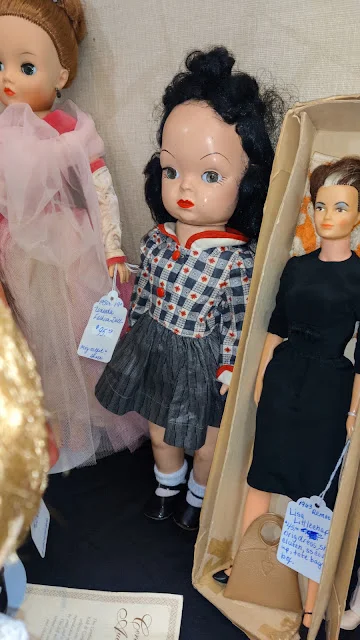
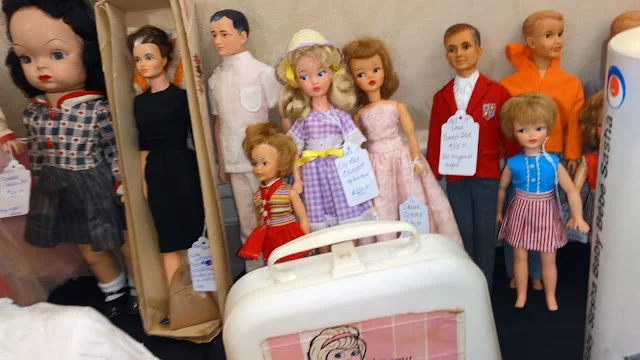
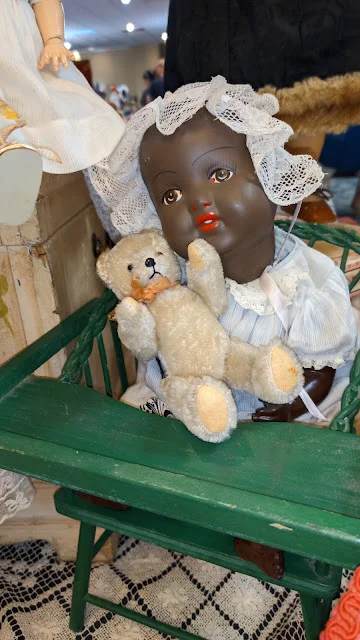
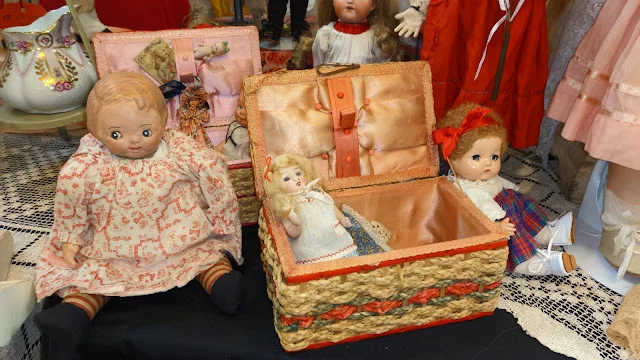
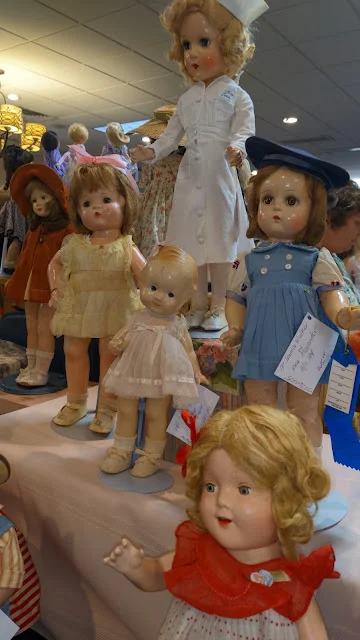
Other familiar and tempting characters filled the tables. Timmy Tumbles recalled Tippy Tumbles, and the collector was surprised to remember that a boy version—or an African American version—had been made. An Effanbee doll thought to be Half Pint was priced at $5. Baby Go Bye Bye sat low in her car, which was also $5; a striped girl nearby remained unidentified. The display included Talking Baby Beans, Betsy McCall dolls and Drowsy in a cardboard cradle for $55. Madame Alexander figures, Lisa Littlechap, Doctor Littlechap, Pepper, Tammy and other familiar characters made for a dense assortment. A pair of Lisa dolls were $5 each, including one in a red nightgown with much of her original updo intact, but the collector wasn’t drawn to the Littlechaps. She still hopes to find Libby’s winter coat, boots and book bag.
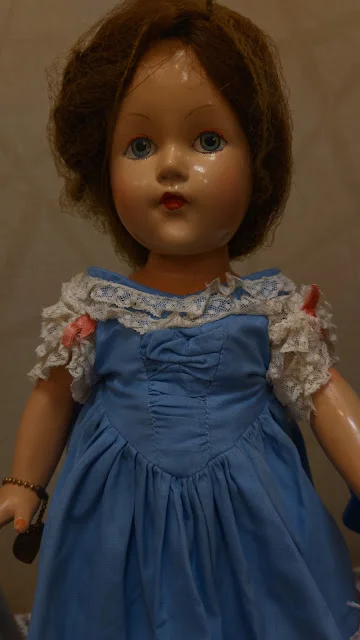
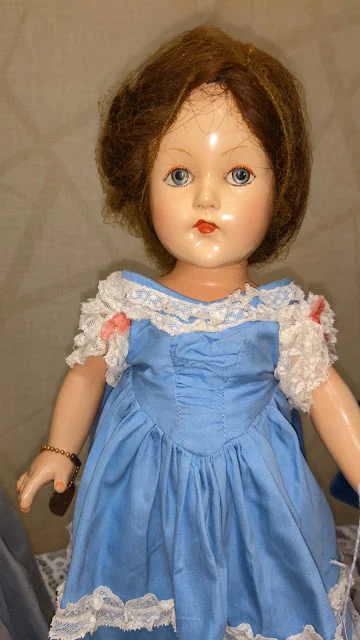
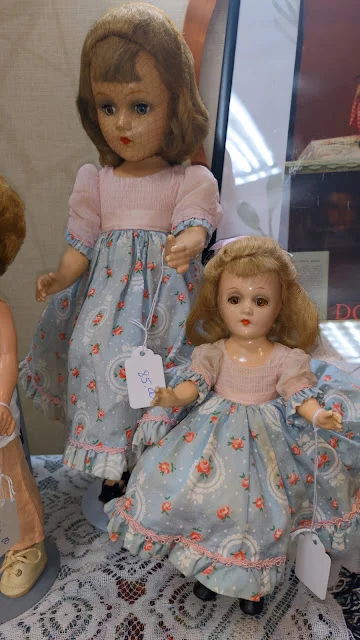
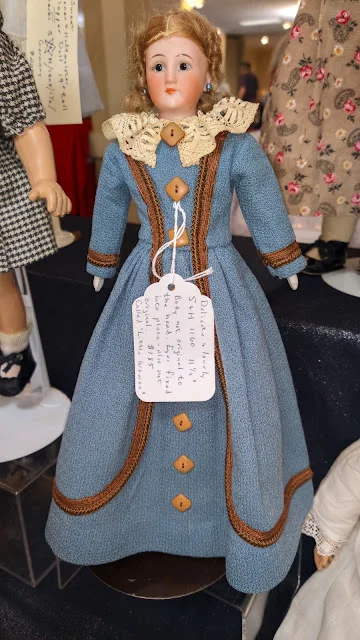
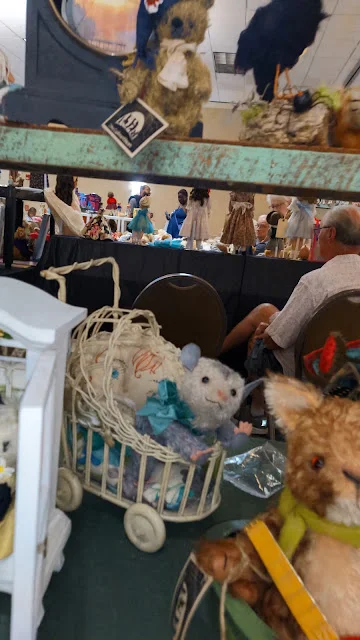
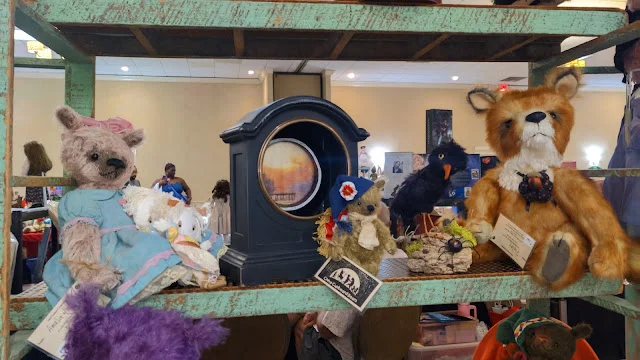
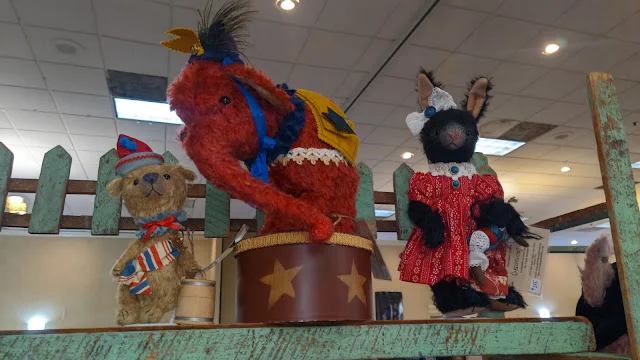
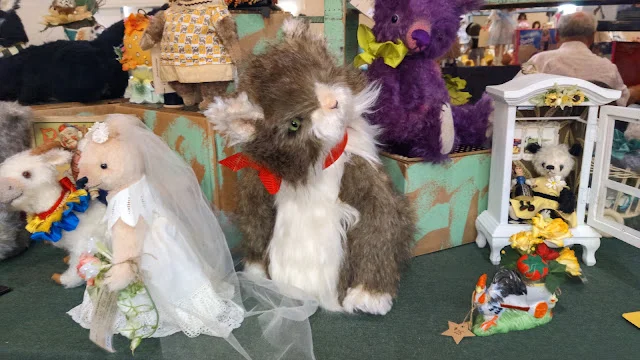
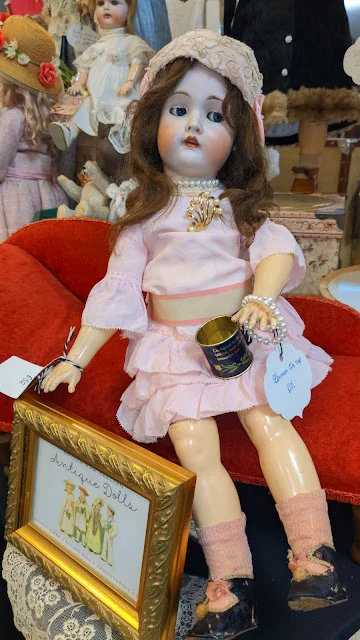
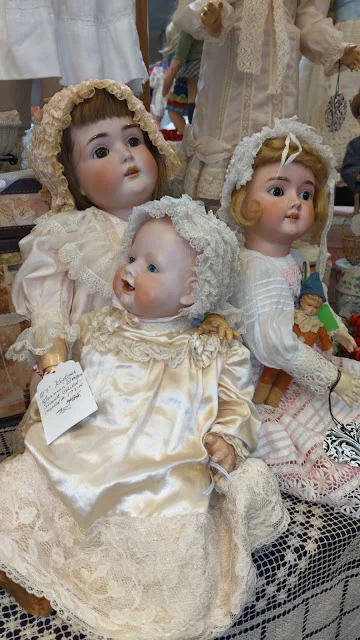
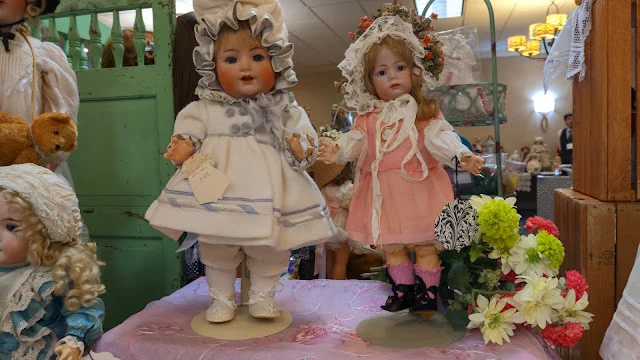
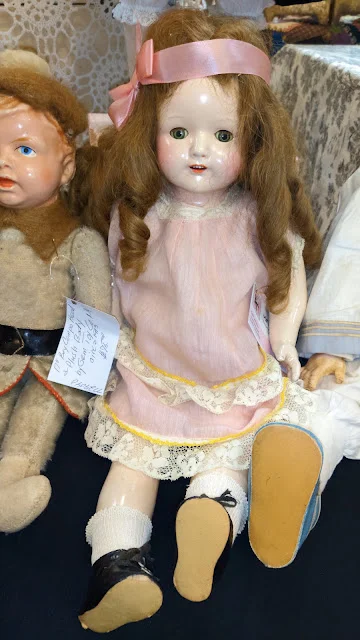
Condition deserved a closer look at one particularly pretty doll. Her tag said the body wasn’t original and the eyes had been replaced; the age of her dress was unknown. That history helps explain why she appeared to be in such nice condition. Another striking display held the largest Furga doll the collector had seen, standing more than two feet tall. Nearby, a maker known as China Cupboard Bears showed handmade animals. The maker lives on the next street and began the business when the collector’s children were still in school together. Among the creations were a red furry elephant and a large cat with a jointed head and legs.
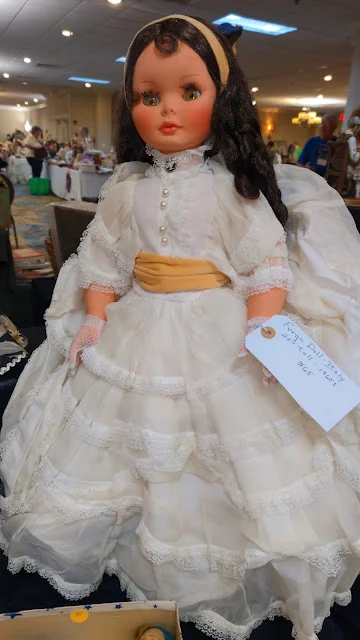
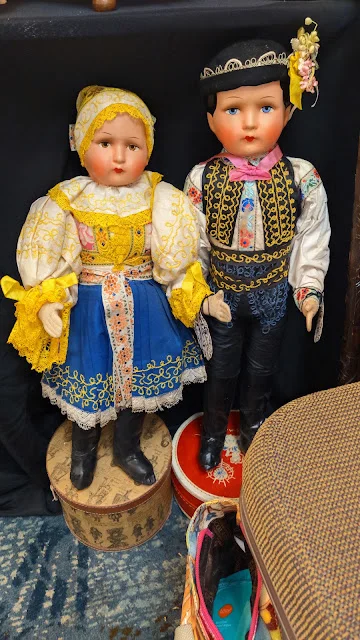
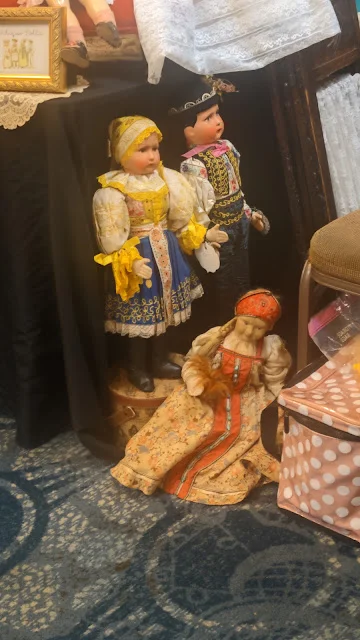
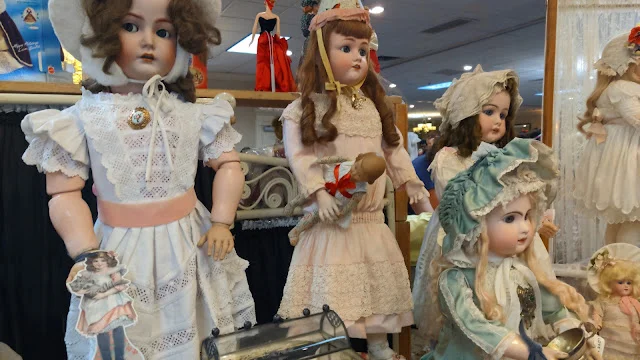
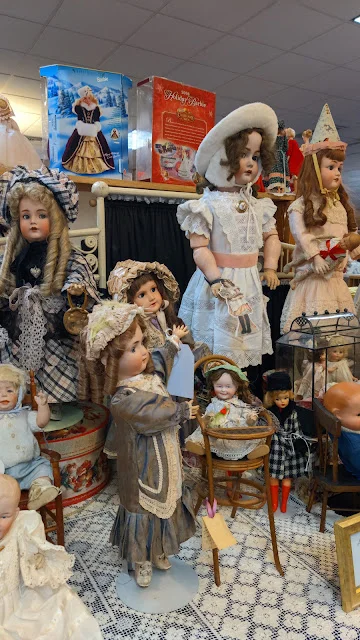
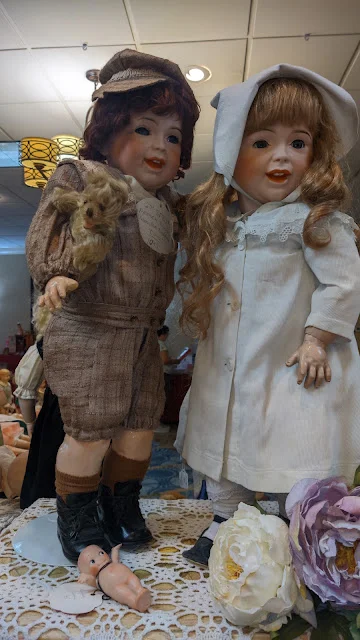
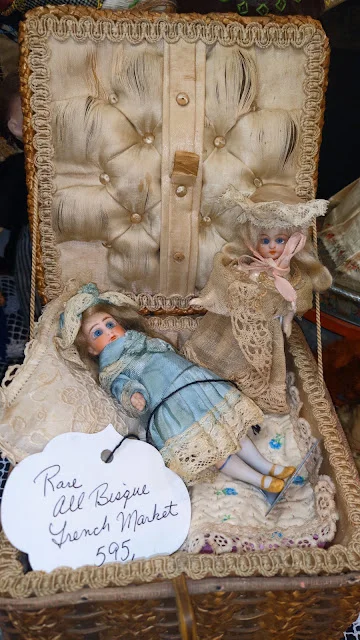
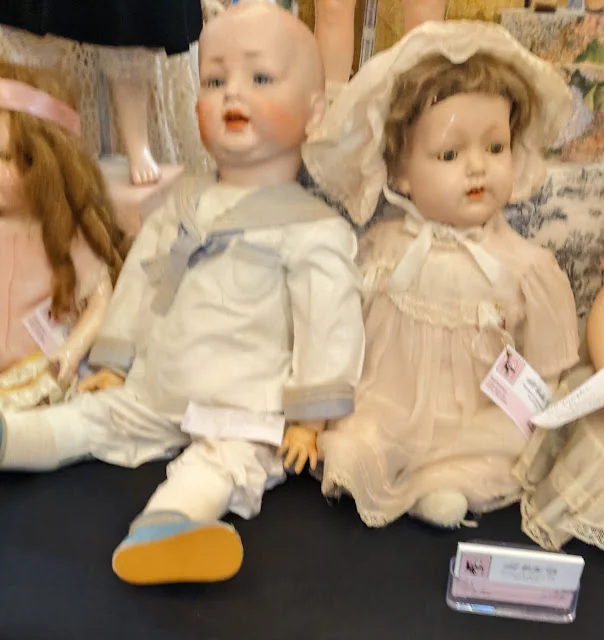
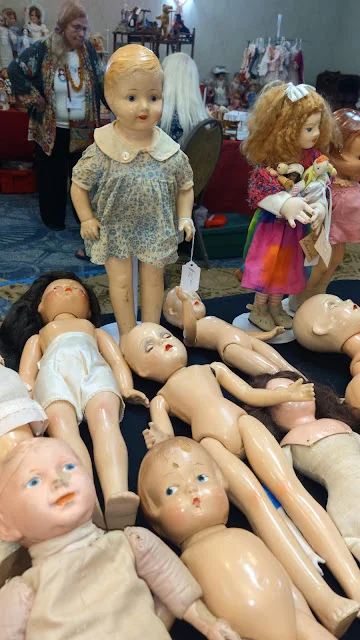
Scale was a theme throughout the show. One table featured three dolls close to life-size children; another pair were reportedly over two feet tall, with stuffed cloth bodies and limbs and thin plastic or celluloid faces. Those dolls were priced at $50 each and appeared to be in good condition. Holiday Barbie provided a handy size comparison elsewhere. The show also had German dollhouse figures, though the collector saw fewer miniature dolls than at some previous events. A spread of clothing and both large and small dolls rounded out the displays.
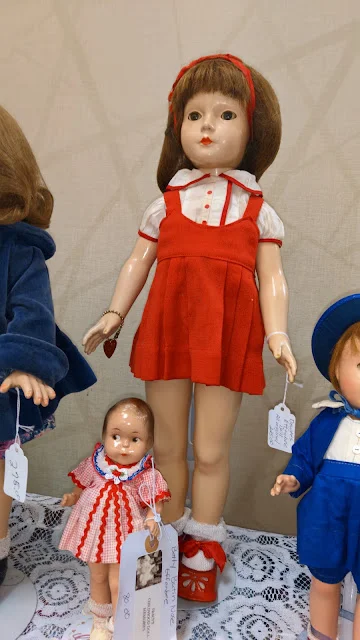
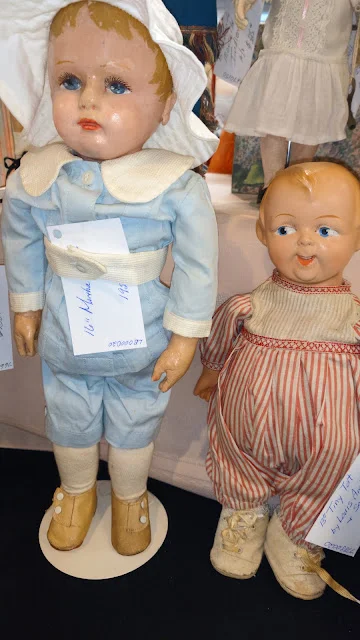
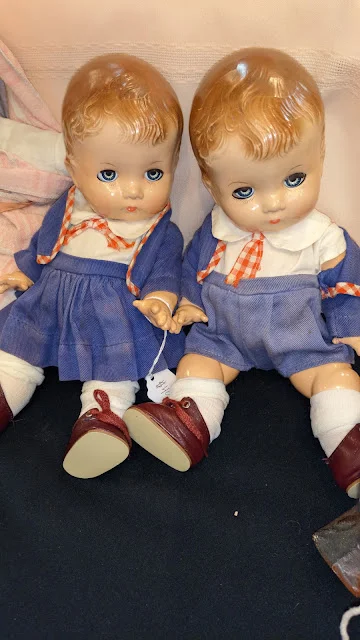
Near the end of the rounds, Ken encouraged a second look at a small, old Lotte Sievers Hahn doll. The collector already has several, but none in his color scheme and none of the boys with his hair color. He had been priced at $10; the dealer offered to reduce him to $8, but the collector had only $3 left to spend. Then, while leaving, she realized she hadn’t heard the door prizes called. Staff had already drawn two tickets without a response and were about to call another. Asked for their names, she and Ken discovered that his ticket had been drawn. Ken won $15 cash and wanted to use it to buy her the Lotte Sievers Hahn doll. She suggested he choose something for himself instead.
A good day, despite a rough finish
The day brought plenty to look at, a modest amount of shopping and a birthday gift Ken had bought for next year—an item the collector plans to show later. She also picked up a $1 doll dress with a tiny embroidered bolero, plus a free 7- or 8-inch doll that might be Little Red Riding Hood. The small figure wore a flowered dress, red hooded cape, black tights and red toe shoes. One other $10 doll caught her eye, but Ken had already bought the birthday surprise from that dealer, so the little figure stayed behind.
After lunch, the collector began feeling very unwell and wasn’t sure she could manage the hour-and-a-half drive home. Lack of sleep may have contributed; dehydration was another possibility, though she couldn’t identify the cause. A cold drink and a long spell of hiccups seemed to help somewhat. Even with that difficult ending, the show delivered a memorable return to the tables: a hard-to-forget chenille find, family memories, and a lucky ticket for Ken.
| Rev | Description | Date |
|---|---|---|
| A | Issued for reading | |
| B | Viewed 966 times | Current |