Toy Tariff Relief Recommendation Puts 2027 Sourcing Plans in Focus
- Project
- Stamps & Postal History
- Drawn by
- Guest Author
- Issued
- Sheet
- A-135
Toys made the initial list for more favorable tariff treatment, but importers still need a firm rate and start date before they can plan with confidence.
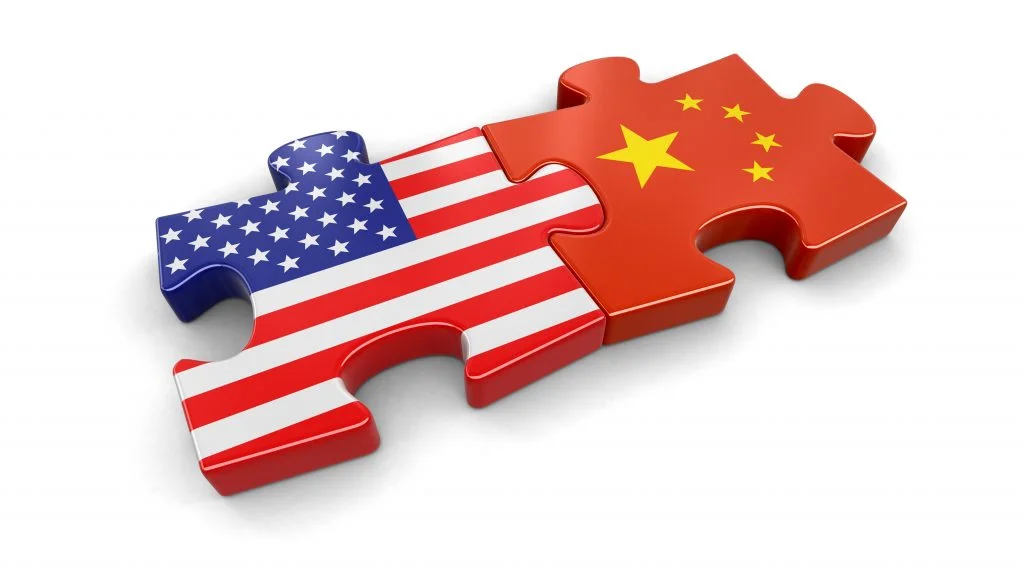
Toys have made the initial list for possible tariff relief, a meaningful opening for an industry that has spent months absorbing higher import costs and trying to plan around shifting rates. The recommendation covers roughly $30 billion in non-sensitive products on each side of the U.S.-China trade relationship. For toy companies, the next milestone is practical: seeing that recommendation turn into a lower rate at the port.
That distinction matters as companies set prices, place factory orders and negotiate retailer programs for 2027. A favorable recommendation may signal a path ahead, but it does not tell an importer what will be charged when a shipment arrives. Until the new treatment is implemented, the cost remains uncertain, and businesses have to make commitments without knowing exactly how much duty their goods will carry.
A narrow opening for toys
The proposed product lists are limited in scale. Roughly $30 billion of products on each side could qualify for more favorable treatment, out of more than $400 billion in imports. Many industries have made a case for inclusion, so toys appearing among the products under consideration is a notable result for the people who advocated on the industry’s behalf.
The Toy Association’s work involved Greg Ahearn, Kathrine Belliveau, Association Chairman Geoffrey Greenberg, government-relations teams, industry advocates and toy executives willing to speak publicly. Their effort focused on toys as non-sensitive consumer products, with tariffs that can raise costs for businesses and families. The recommendation reflects that work, but its impact will depend on the details that follow: which products qualify, what rates apply and when those rates take effect.
For importers, there is no substitute for the charge applied to a shipment. A written recommendation does not settle a company’s landed cost, and it does not automatically change the amount collected at the port. Companies need the final terms and an effective date before they can make purchasing and pricing decisions on a firm basis.
Planning while the details remain unsettled
The current uncertainty follows a severe period for toy importers. The source describes a first new 10% tariff on goods from China, followed within months by a burden of up to 145% on many Chinese imports. Those rates temporarily made shipments from China unworkable for some businesses, disrupting ordinary operations for several months. Rates later came down enough for business to resume, while separate challenges to later tariff measures continued.
There are also ongoing efforts to challenge tariffs introduced under Section 122 and Section 301. The Section 122 case described in the source seeks full relief, including refunds of tariffs already paid. If the challenge succeeds, other importers could potentially seek their own refunds. That outcome remains uncertain, and the Section 301 action is being challenged separately.
These unresolved costs complicate decisions that cannot always wait for a final answer. A toy company needs to coordinate production, shipping, pricing and retail commitments; each depends on a usable estimate of the cost of getting goods into the country. When the tariff rate or start date is unknown, a company may have less room to set a confident price or commit to an order. The recommendation offers a reason to watch closely, but the operating value comes when importers can apply a confirmed rate to real shipments.
Why China remains central to toy production
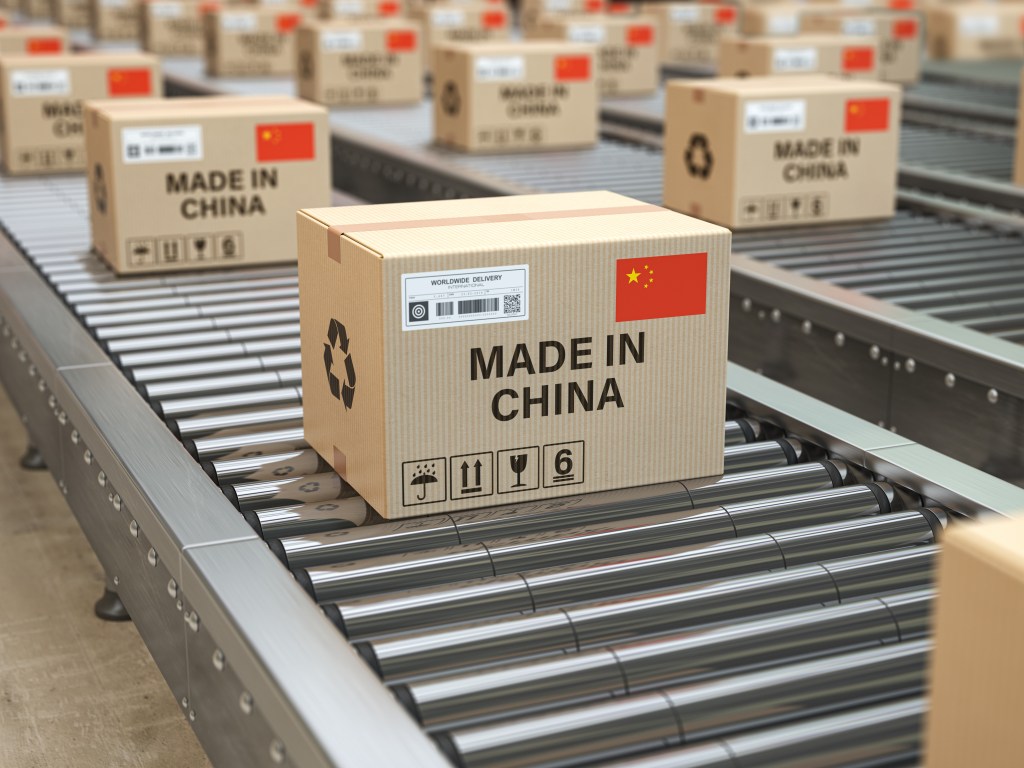
The source argues that China remains an essential manufacturing partner for much of the toy business. Over decades, manufacturers and their partners built a network there that includes tooling, engineering, safety work, quality control, materials, components and specialized production skills. Recreating those capabilities elsewhere can carry added cost and complexity, so relocating production is not a simple response to tariff changes.
Some companies may find it practical to diversify their supply chains. Yet for many toy makers, Chinese factories remain central to production today and for the foreseeable future. That makes the terms governing imports from China especially consequential for budgets and retail planning. The recommendation has drawn attention because it could ease costs while giving companies a clearer basis for decisions, if it becomes concrete relief.
The next test is implementation
The industry’s message now is to keep pressing for the recommended treatment to be put into effect as quickly and broadly as possible. Importers need clarity on the qualifying goods, the rate they will pay and the date the change begins. Those details will determine whether the announcement changes what companies owe when their containers arrive.
There is room for optimism: toys are included in a limited initial group, after sustained work by association staff, advocates and industry executives. Still, the recommendation marks a step toward relief, not its completion. As 2027 orders and prices take shape, the clearest measure of progress will be the rate charged on toy shipments and the certainty companies can carry into their next round of commitments.
| Rev | Description | Date |
|---|---|---|
| A | Issued for reading | |
| B | Viewed 874 times | Current |