Sasha Festival 2024 Day Two: Dress a Sasha Displays and Trendon History
- Project
- Toys & Action Figures
- Drawn by
- [email protected] (DollMum)
- Issued
- Sheet
- A-158
English Garden creations, a talk on Trendon’s Sasha dolls and handmade festival outfits made for a memorable second day.

Two English Garden displays share a family story
The Dress a Sasha displays brought sewing, storytelling and family collaboration into focus on the second day of the 2024 Sasha Festival. After the Children’s Fund Auction ended and its tables were cleared, entrants moved their displays into the room. The author even used a multi-purpose trolley normally reserved for boxes of street organ music to transport the large pieces.
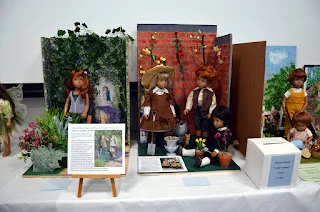
The competition paired two themes, English Garden and Afternoon Tea, with entries divided by whether participants assembled or made the clothing. The five categories in action were English Garden – Assembled by Adult, English Garden – Crafted by Adult, Afternoon Tea – Assembled by Adult and Afternoon Tea – Crafted by Adult, plus English Garden assembled by a teenager. No children entered this year, and one teenager entered independently.
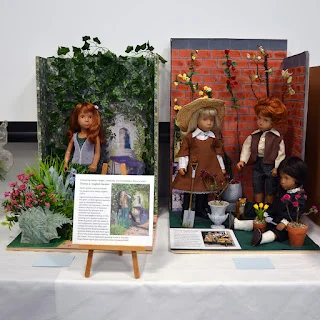
For the crafted category, entrants had to make all clothing except shoes and socks. In the assembled category, other people had made the clothing and the entrant arranged the finished ensemble. The author and her daughter both entered English Garden – Crafted by Adult. Although they were in the same category, they shared ideas and encouraged each other during the months of preparation. The author was especially proud of her daughter’s work and the sewing skills she gained along the way.
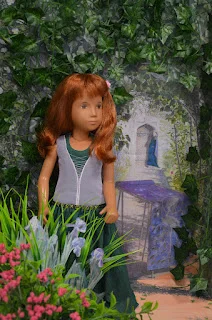
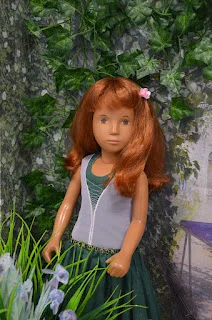
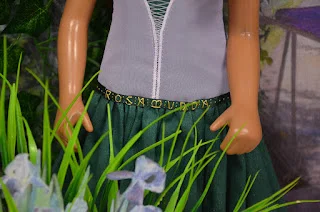
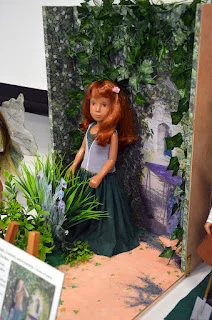
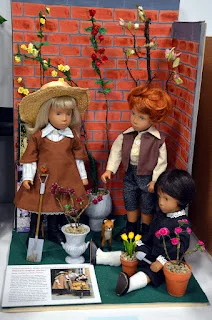
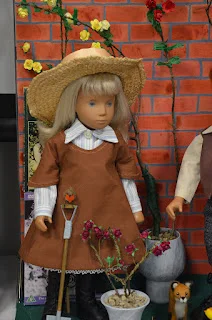
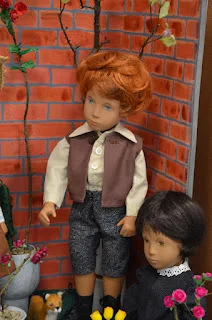
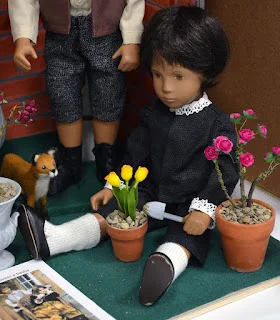
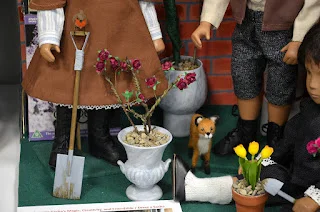
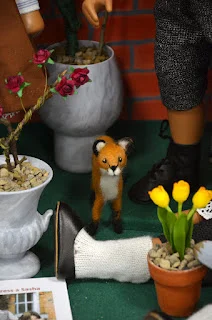
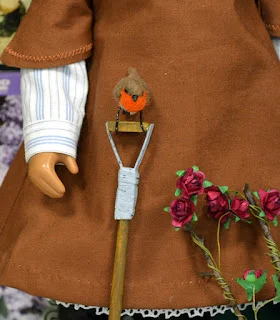
Their entries were Fair Rosamund and The Secret Garden. The photographs show Fair Rosamund in her garden, including close views of the bodice lacing and embroidered waistband, while The Secret Garden scene features Mary, Dickon and Colin among garden details such as tulips, roses, a fox and a robin. The author has shared the two projects in separate posts: Dress a Sasha created by DollMum’s daughter and Dress a Sasha created by DollMum.
Setting up exposed a practical challenge for the competition. Eighteen entrants were expected, but only 15 arrived, and people reached the room at different times. Without a clear list, entries were not always grouped together by category. A few handwritten descriptions were also placed on cards in the wrong category colour, and some blended the two themes in ways that could be read either way.
The author suggests preparing a printed entrant list before the event. That would help organisers plan table space and let entrants know their numbers in advance. She also offered to organise the Dress a Sasha competition before a future UK festival, if she is able to attend. The photographs in this post show the author’s and her daughter’s displays; images of other entries were taken the following morning and were planned for a later post.
Dinner and a family connection to Trendon
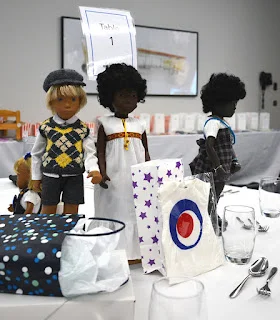
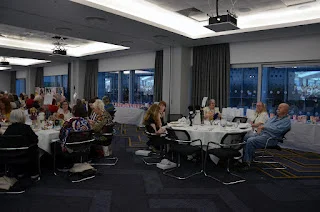
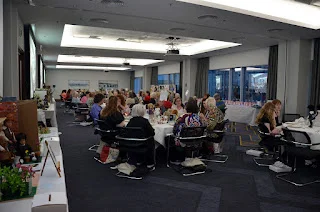
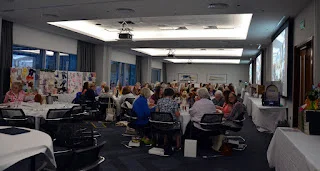
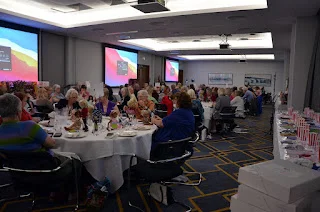
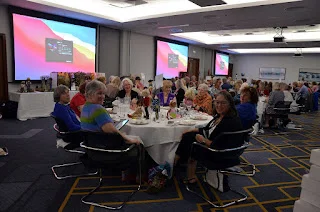
Friday evening brought festival attendees together for dinner in the conference room. Some dressed up for the occasion, which was the first of two meals to feature table hostesses. The author and her daughter sat at an overflow table without a hostess, as some attendees had brought guests. They still received hostess gifts from other tables: the author was given a small tote bag from JoAnn containing a Peanuts book, Minnesota shorts decorated with canoes and a white hat. Her daughter received a Sasha logo dress made by Laura O.
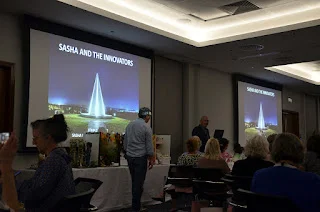
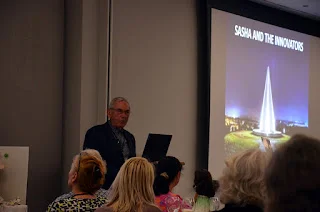
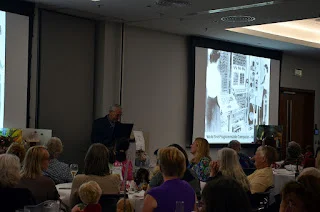
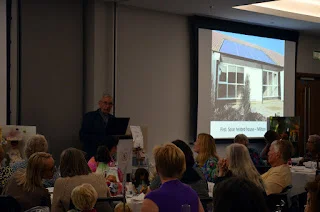
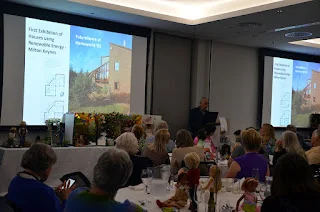
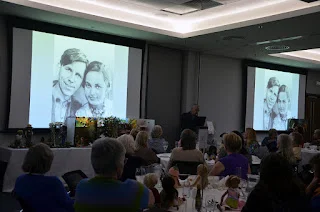
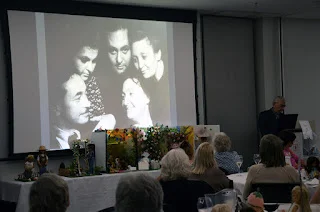
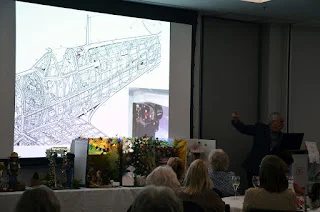
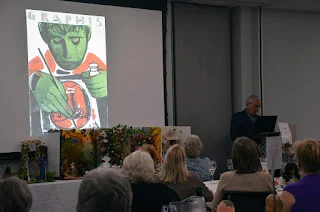
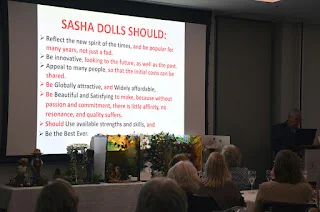
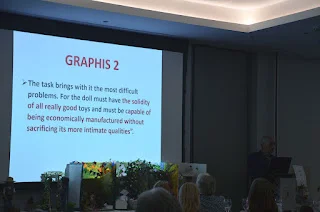
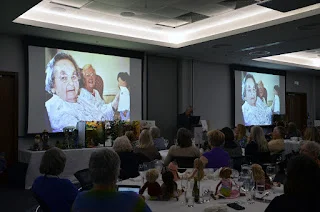
Trendon Elliott and Melanie also joined the dinner. The evening’s guest speaker was John Doggart, son of Sara and John Doggart, who owned the Trendon doll factory. His slide presentation traced innovations behind factory production of the English Sasha doll and placed the work in the context of a family history filled with inventors, engineers and creative makers.
Doggart, a retired architect, discussed a connection between his family and Milton Keynes, where he had worked on buildings in the new town. He also mentioned that Sasha Morgenthaler had visited Milton Keynes. The talk offered festivalgoers a view of the people and ideas around the dolls’ production, alongside a glimpse of the wider Doggart family story.
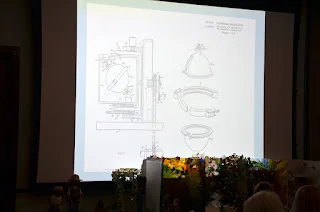
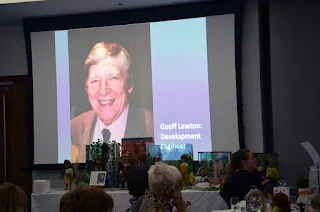
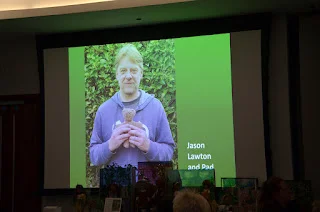
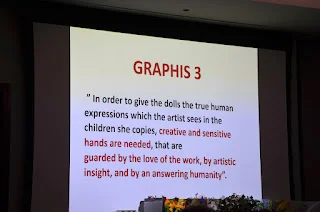
He explained that his parents first encountered Sasha dolls through Graphis magazine and later through Lindt chocolate wrappers. The presentation included material from Graphis about Sasha dolls and toy manufacture, as well as a technical diagram of a vinyl doll head mould. Other photographs and slides highlighted figures associated with the factory, including Geoff Lawton, and the Doggarts’ connection with the makers behind the dolls. One image recalled Morgenthaler visiting the factory and giving young Jason Lawton a teddy bear called Pad while working with his father.
Handmade outfits close the evening
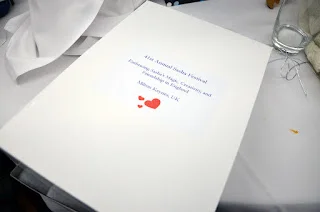
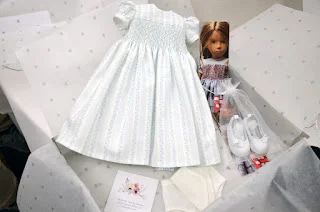
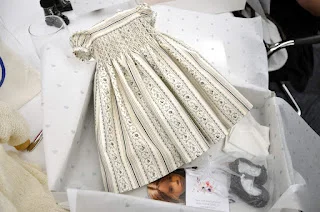
After the talk, Petrana invited attendees to open their festival souvenir boxes. Each contained a smocked dress made by Petrana, with a different fabric for every outfit, along with matching shoes and underwear. The individual combinations prompted delighted reactions around the room.
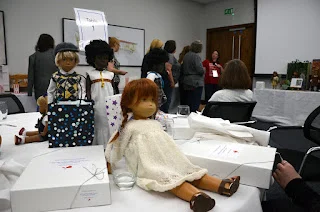
The author was pleased with her pale blue and white patterned dress and white shoes; her daughter particularly liked an outfit that worked with black shoes. Their photographs also show the souvenir boxes and the finished outfits, with Trudi, a C1 Studio doll, seated at the table after the gifts were packed away.
Between the detailed garden scenes, a family account of Trendon’s manufacturing history and Petrana’s one-of-a-kind handmade souvenirs, the festival’s second day offered several different ways to appreciate Sasha dolls: as crafted objects, as subjects for creative display and as pieces with a rich history.
| Rev | Description | Date |
|---|---|---|
| A | Issued for reading | |
| B | Viewed 981 times | Current |