A Lifelong Baseball Card Chase: 1975 Topps Football and a 1974 Master Set
- Project
- LEGO & Building Sets
- Drawn by
- The Shlabotnik Report
- Issued
- Sheet
- A-206
A collector reflects on decades in the hobby, finishing a childhood 1975 Topps Football set and assembling an expansive 1974 Topps Baseball master set.

Three milestones capture the pleasures of a long collecting life: keeping at the hobby since 1974, completing a football set first begun as a child, and building a wide-ranging 1974 Topps Baseball master set. Each achievement came from a different kind of persistence. One is measured in decades, another in a five-year chase, and the third in the careful pursuit of variations and related cards.
The collector shared these stories as part of a Blog Bat Around started by Torren Up Cards. Entries from Night Owl and San Jose Fuji helped prompt a contribution about personal hobby achievements. The result is a useful reminder that a collection’s significance can come from the story behind it as much as from the cards themselves.
Decades of collecting, without a long break
The first achievement is simply continuing to collect. The writer began buying baseball cards in spring 1974 and never packed the collection away or took more than a couple of weeks off. There were stretches when collecting slowed for practical reasons, but the habit stayed.
That continuity wasn’t always easy. In high school, college and into adulthood, the writer felt self-conscious about buying packs in stores and sometimes tried to conceal the purchases. Self-checkout offered a way to avoid imagining judgment from cashiers. It’s a small detail, but it speaks to how personal a hobby can be: the cards were a steady interest even when the collector felt awkward about being seen pursuing it.
To make the span of that collecting life visible, the writer assembled an image with one card for every year of collecting. The cards aren’t presented as the best or most important from each year; together, they mark the passage of time.
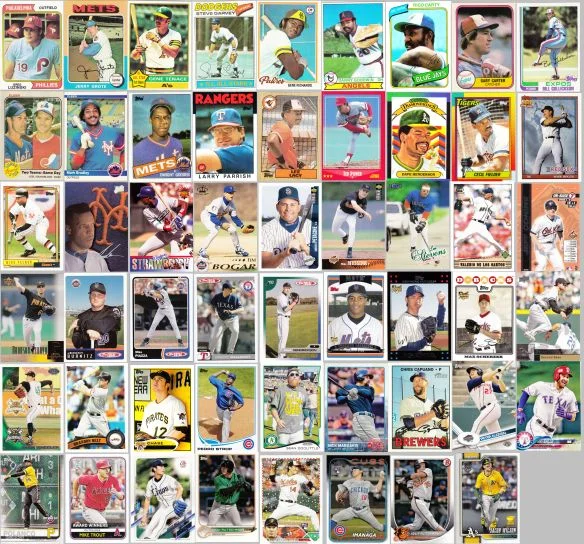
Looking back has also clarified which parts of the collection matter most. The cards the writer values most tend to come from the first 20 or so years, roughly the mid-1970s through the mid-1990s. The possibility of parting with many cards from after 1994 is on the horizon, though the writer hasn’t yet made that decision. That distinction shows how a collection can change in meaning over time: keeping everything isn’t always the same as valuing everything equally.
A childhood 1975 Topps Football set, finally complete
The second milestone began in a particularly busy collecting year. After finishing the 1975 Topps Baseball set, the young collector wanted to keep opening packs and turned to 1975 Topps Football, buying them with allowance money. About 75% of the football set was assembled in the mid-1970s, then the partial collection sat for roughly 30 years.
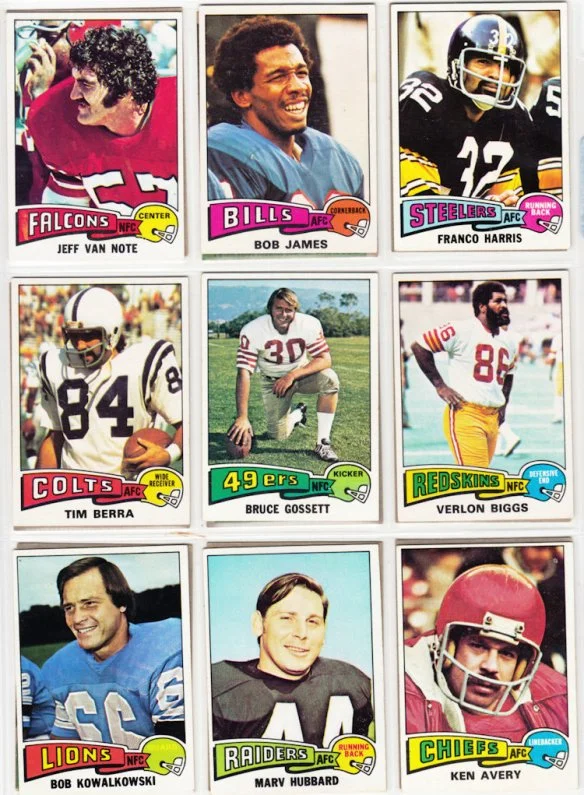
When the writer eventually decided to complete the set, the project took about five years. The pace and process made it especially satisfying: many missing cards came from card shops and shows, a preferred way to hunt. The set was challenging without becoming unreachable on the collector’s budget or within the local supply. That last point matters to anyone building a set around older cards. A chase can be appealing on paper, but the availability of cards nearby shapes how much of the search can happen in person.
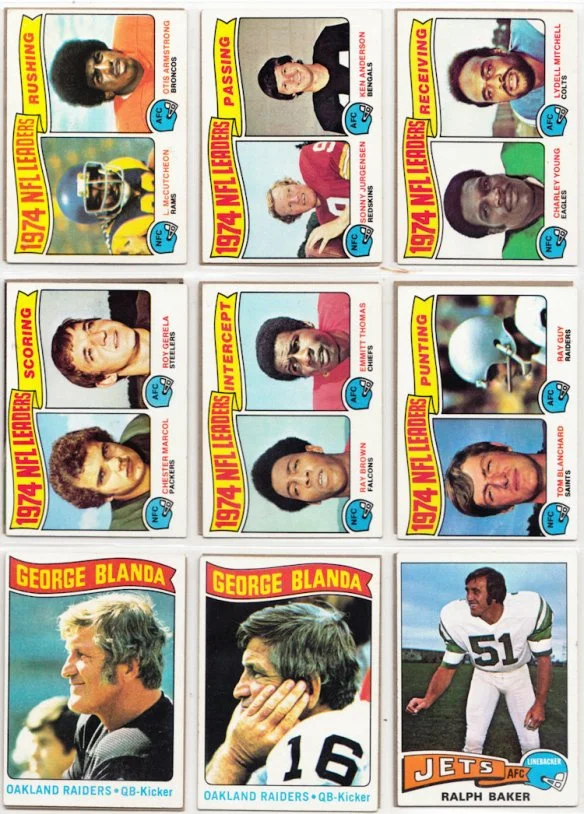
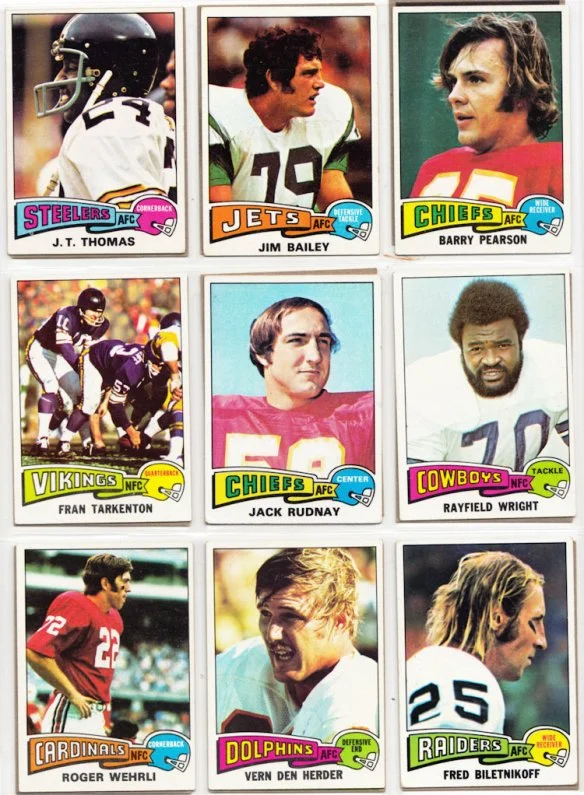
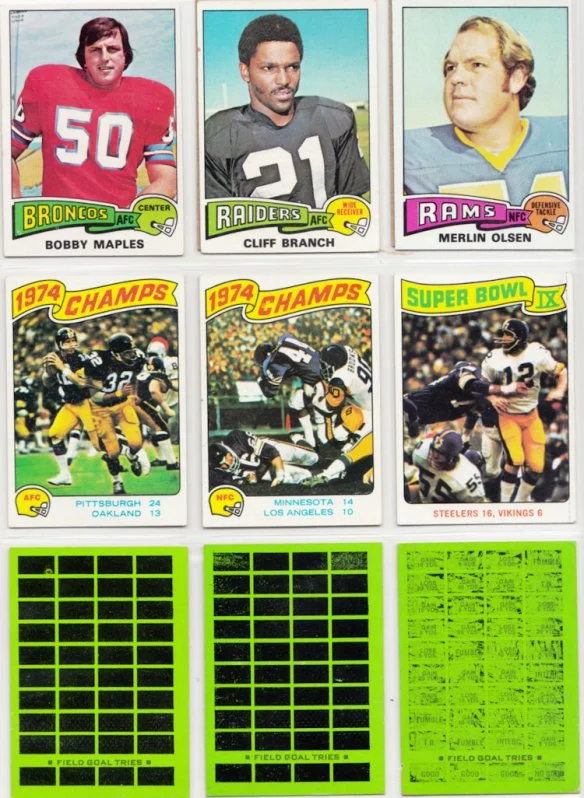
The collector set limits on both condition and spending, keeping the project manageable. The most paid for a single card was $7: the Dan Fouts rookie, which has a missing corner. That choice reflects a practical approach to vintage set building. A card can fill a spot and carry personal meaning even when it has a conspicuous flaw, provided the collector is comfortable with the condition and price.
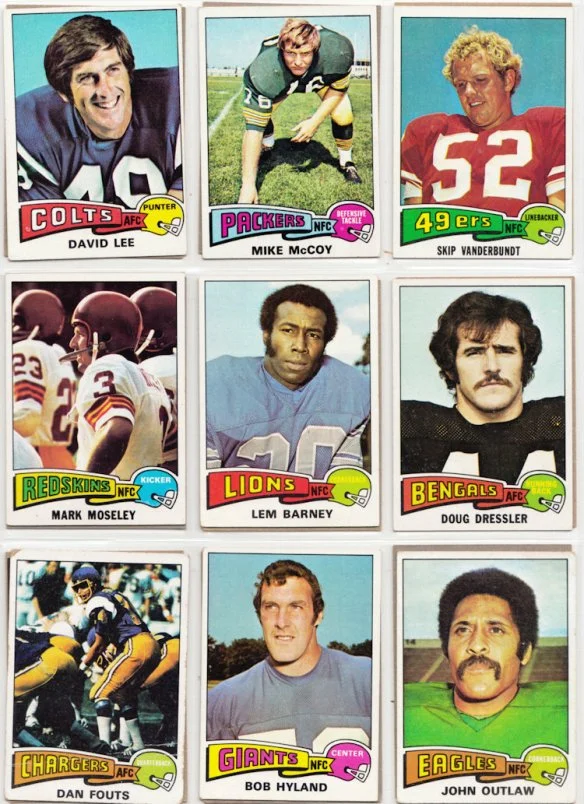
The closing binder page includes the Cliff Branch rookie, one of the last cards acquired. At the bottom are scratch-off game cards the writer had kept since 1975, including some that were still unscratched. They bring the project back to its beginning: the completed set contains cards acquired decades apart, along with pieces that had been sitting in the original collection all along.
Expanding a 1974 Topps Baseball collection into a master set
The third achievement grew from an unusual interest in 1974 Topps Baseball variations. The writer doesn’t generally pursue master sets, especially when two cards look the same; the instinct is to treat a variation as a card already owned. But the “Washington ‘Nat’l. Lea.’” variations had held the collector’s attention since one came from a pack in 1974.
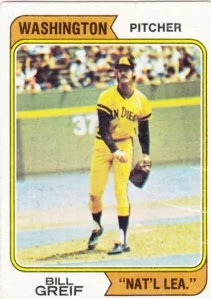
The collection already included the base set and the Traded set. The writer then pursued the Washington variations and team checklist inserts, of which more than two-thirds of the 24 were already in hand, by recollection. Once those pieces were gathered, the project grew into collecting every related card the writer could find.

The resulting master set brings together the 660-card base set, the 44-card Traded set, all 24 team checklists and all of the “Washington ‘Nat’l. Lea.’” variations. It also includes three versions of 1974 Rookie Pitchers #599: “Washington,” Big “San Diego” and Small “San Diego.” The variation checklist extends to the “No Position” Jesus Alou error and the Apodaco/Apodaca variation of Rookie Pitchers #608.
The 660 card base set

The 44 card traded set

The 24 team checklists

All of the “Washington ‘Nat’l. Lea.’” variations

The three versions (“Washington”, Big “San Diego”, Small “San Diego”) of the 1974 Rookie Pitchers #599


The “No Position” Jesus Alou error

The Apodaco/Apodaca variation of Rookie Pitchers #608


These three accomplishments offer different measures of a collection’s life: the years spent with it, the satisfaction of finishing a childhood project, and the depth added by following a specific set of variations. The writer also mentions maintaining a blog for almost 15 years, but leaves that out of the hobby-achievement list. For collectors weighing their own goals, the 1975 football chase offers a concrete takeaway: a clear budget and condition limit can make a long search enjoyable, while a set’s local availability can help determine whether the hunt stays rewarding.
| Rev | Description | Date |
|---|---|---|
| A | Issued for reading | |
| B | Viewed 653 times | Current |