Warhol Works and COAs: Verify the Paper Trail Before You Buy
- Project
- Stamps & Postal History
- Drawn by
- WorthPoint
- Issued
- Sheet
- A-46
A forged Warhol sale used fabricated invoices, stamps and ID numbers. Independent checks can help buyers assess certificates and provenance claims.
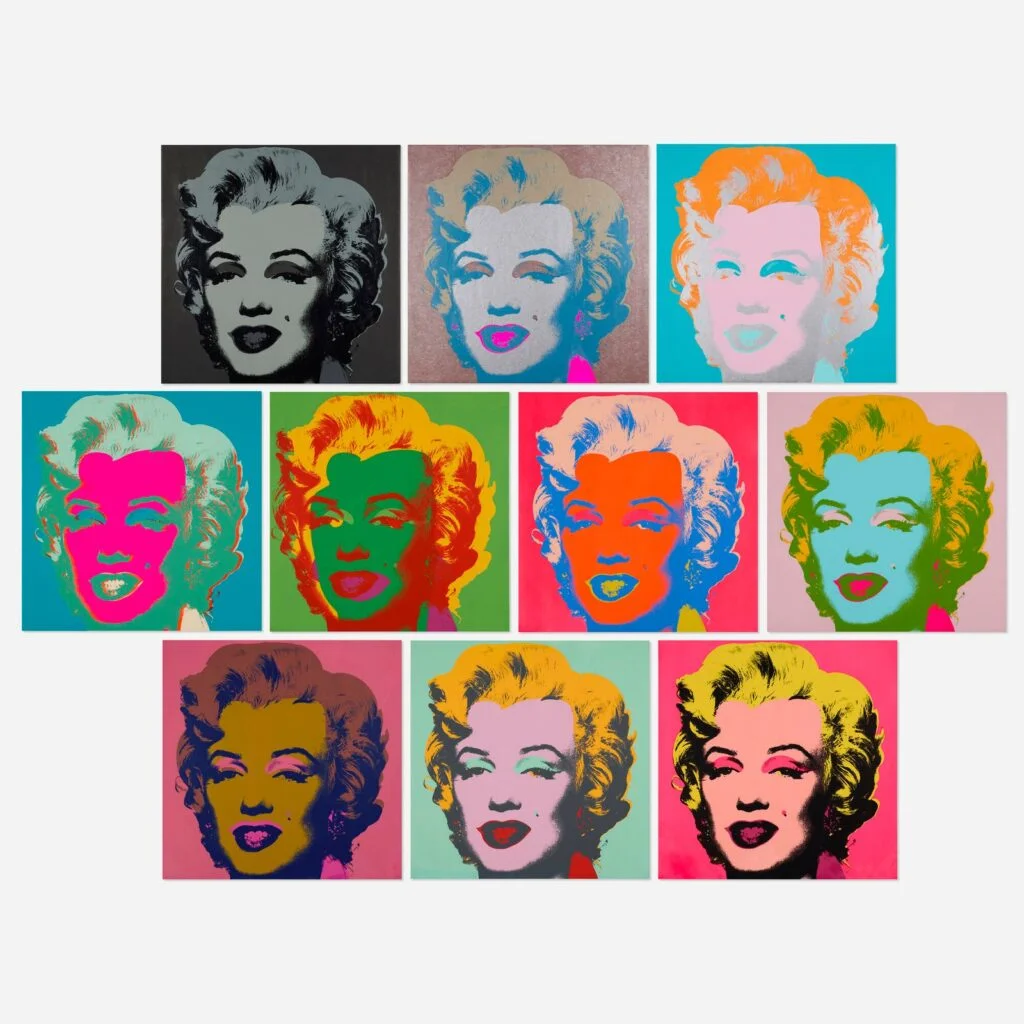
Certificates and official looking paperwork can add context to a collectible, but they can’t establish authenticity on their own. A case involving Miami Fine Art Gallery owner Leslie Roberts illustrates why buyers should check the issuer, the object and the ownership history separately. The works were presented as original Andy Warhols, and the supporting material included fabricated invoices, an authentication bearing the name of the Andy Warhol Art Authentication Board, false identification numbers and counterfeit stamps.

Check who issued the document
The authentication board named on the paperwork was formed by the Andy Warhol Foundation in 1995. The Foundation announced in October 2011 that it would dissolve the board, citing its legal costs; the board closed in 2012. That timeline makes the date and claimed source of any later document worth checking carefully. The case material described here does not establish that the board had any role in the scheme.
The Foundation continues to support catalogues raisonnés, scholarly catalogues that record judgments about individual works. Buyers considering a Warhol opinion should find out who issued it, when it was issued and whether that person or organization still provides opinions. A familiar name on a page is only a lead to verify.
Contact the named issuer using details found independently, rather than relying on a phone number or email address printed on the certificate. Ask whether it created the document, whether the work is recorded in its files and whether the identification number matches its records. These checks matter because the fabricated materials in the Roberts case included numbers and stamps designed to look authoritative.
Build a record around the object
Ask the seller for the complete ownership history, including earlier invoices and records of prior sales. Follow each transfer as far back as the available documentation allows, and look for details that stay consistent from one record to the next. Ask who sold the work to the gallery and whether that person or business can confirm the transaction. A single recent invoice provides little context when it stands alone.
Paperwork should also be compared with the object itself. An independent appraiser with no stake in the sale can examine the work in person and compare it with documented examples. That assessment gives buyers a separate source of information instead of asking one certificate to carry the entire claim.
Recorded sale information can add useful context. The WorthPoint Price Guide lists prices, sale dates and sources for Warhol listings. Some detail pages include a provenance history, but that history reflects information supplied by the seller; it isn’t independently verified just because it appears alongside a sale record. Price records and provenance text can help frame questions, but neither establishes authenticity by itself.

Apply the same checks to autographs and memorabilia
A certificate of authenticity for an autograph or sports collectible carries the same basic limitation: it records the issuer’s claim. Check that the issuer exists, can be reached and has an independent basis for its opinion. If the seller issued the certificate, or has a business relationship with the issuer, that connection is relevant context. It doesn’t settle whether the item is genuine, but it does mean the document isn’t independent of the sale.
A certificate from a third-party grading or authentication service is more useful when its number can be checked directly in that service’s records. Compare the item description, serial number and any available photographs with the physical collectible. If the number doesn’t appear in the records, or the issuer can’t be contacted, treat the certificate as unverified while seeking additional evidence.

If a purchase raises doubts
Keep the listing, invoices, certificate, messages and payment records together. Those documents preserve what the seller claimed and when, and may help an independent specialist assess the transaction and the object. Obtain a written opinion from an appraiser who has no stake in the sale before deciding what to do with the collectible.
Don’t pass a questionable item along as genuine. Resolve the authentication questions first, using direct confirmation from the certificate issuer and an independent examination of the object. Roberts’ case shows how several convincing looking documents can still fail to provide reliable evidence. For buyers, the practical takeaway is to treat each document as a claim to check against the issuer, the object and a traceable history.
| Rev | Description | Date |
|---|---|---|
| A | Issued for reading | |
| B | Viewed 460 times | Current |